


Table of Contents
The sound of someone chewing, breathing, tapping a pen or clicking a keyboard may seem ordinary to most people. For someone with misophonia, however, a specific sound can provoke an immediate and unusually intense reaction.
That response may include anger, disgust, anxiety, physical tension or a strong urge to leave the situation. Importantly, the reaction is not necessarily related to how loud the sound is. A quiet trigger can feel far more distressing than a louder sound that carries no particular meaning for that person.
This distinction matters because not every form of sound sensitivity is misophonia. Everyday sounds can become difficult for several reasons, including hyperacusis, tinnitus, hearing loss, ear disease or anxiety associated with particular environments.
There is currently no single hearing test that diagnoses misophonia. Nevertheless, an audiological assessment can be an important first step. It helps establish whether hearing and ear function are normal, identifies other conditions that may be present and provides clearer information about which professionals should be involved next.
At AudioCare, the role of assessment is not to attach a label prematurely. It is to understand what the person experiences, investigate possible auditory factors and recommend an appropriate clinical pathway.
Misophonia is more than simply disliking a sound
Everyone finds certain sounds irritating. Misophonia describes something more specific and more intense.
According to the current consensus definition, misophonia is characterised by reduced tolerance to particular sounds or stimuli associated with those sounds. These triggers produce strong emotional, physiological and behavioural responses that most other people would not experience in the same situation.
Commonly reported triggers include chewing, swallowing, sniffing, throat clearing, breathing, pen clicking, keyboard sounds and repetitive tapping. Visual movements associated with a sound may also become distressing, such as seeing someone prepare to chew or repeatedly move a foot.
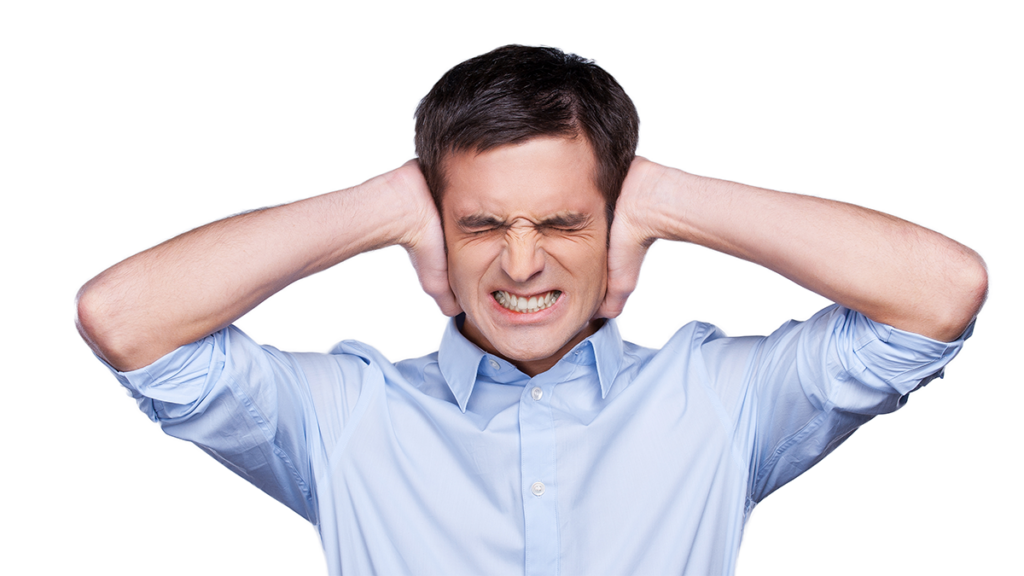
The response can begin very quickly. A person may feel anger, disgust, distress, panic, muscle tension or an urgent need to escape. Some become highly alert in situations where they expect the trigger to occur.
Misophonia can affect meals, work, education, travel and close relationships. A person may avoid eating with family members, struggle in a shared office or become unable to concentrate when a repetitive sound is present.
The severity varies considerably. For some people, misophonia is an occasional frustration. For others, it causes substantial disruption and avoidance.
Misophonia is not currently defined by the loudness of the trigger. A relatively soft sound may provoke a severe reaction, while a much louder but non-triggering sound may be tolerated. The pattern, context and personal meaning of the sound are often more relevant than its physical intensity.
Misophonia, hyperacusis and phonophobia are not the same
Different sound-tolerance conditions can produce overlapping symptoms, but they should not automatically be treated as the same problem.
Hyperacusis is generally associated with reduced tolerance to the loudness of everyday sounds. Sounds that most people find comfortable may seem excessively loud, uncomfortable or even painful. The reaction is usually linked more closely to sound intensity and may involve a broad range of noises.
A person with hyperacusis might struggle with traffic, household appliances, clattering dishes or moderately amplified music because these sounds feel physically overwhelming.
Misophonia is more selective. The difficulty usually centres on particular sound patterns, often produced by another person. The same trigger may remain distressing even when it is quiet, while other sounds at a similar or higher level cause no difficulty.
Phonophobia refers to fear of sound or fear that sound will cause harm. It may involve anticipatory anxiety and avoidance, particularly when a person expects a sound to be painful, dangerous or uncontrollable.
Tinnitus is different again. It involves hearing a sound without a corresponding external source, commonly described as ringing, buzzing or hissing. However, tinnitus, hyperacusis and misophonia can coexist, which may make the person’s experience more complex.
Hearing loss can also alter how sounds are perceived. Some people experience recruitment, where the usable range between hearing a sound and finding it uncomfortably loud becomes reduced. Others struggle with distorted or unclear sound rather than with loudness itself.
These differences cannot always be established from a brief description. A detailed clinical history and appropriate testing are needed to determine which features are present and whether more than one condition may be involved.
Why an audiological assessment is still important
Many people with misophonia have hearing thresholds within the clinically normal range. Normal audiometry, however, does not make the person’s symptoms less genuine. It simply provides useful information about one part of the auditory system.
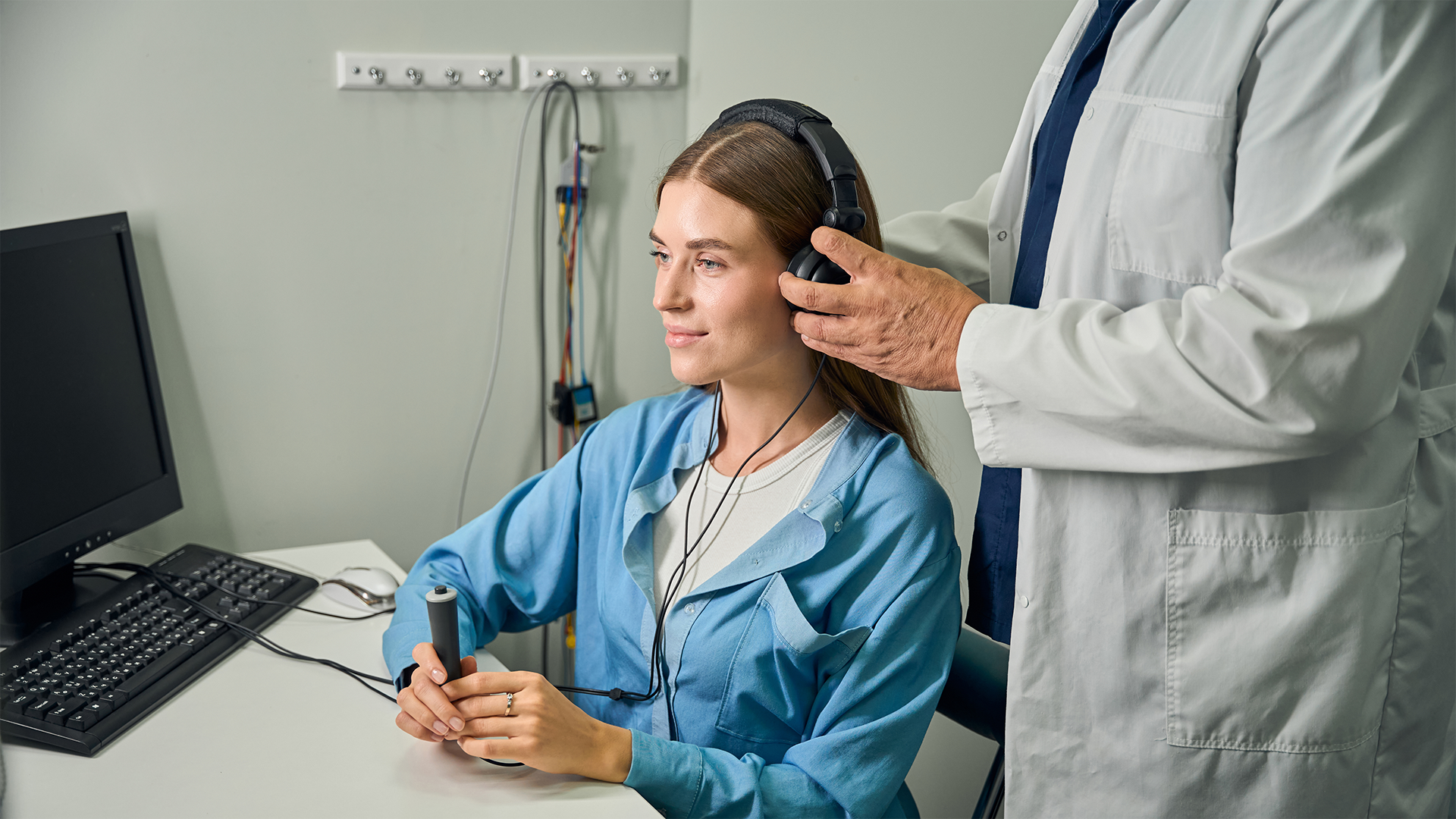
Pure-tone audiometry measures the softest tones a person can detect at different frequencies. It can identify hearing loss, asymmetry between the ears and patterns that may require further investigation.
Speech audiometry assesses the recognition of spoken words. This may be relevant when the person reports not only sound intolerance but also difficulty understanding speech.
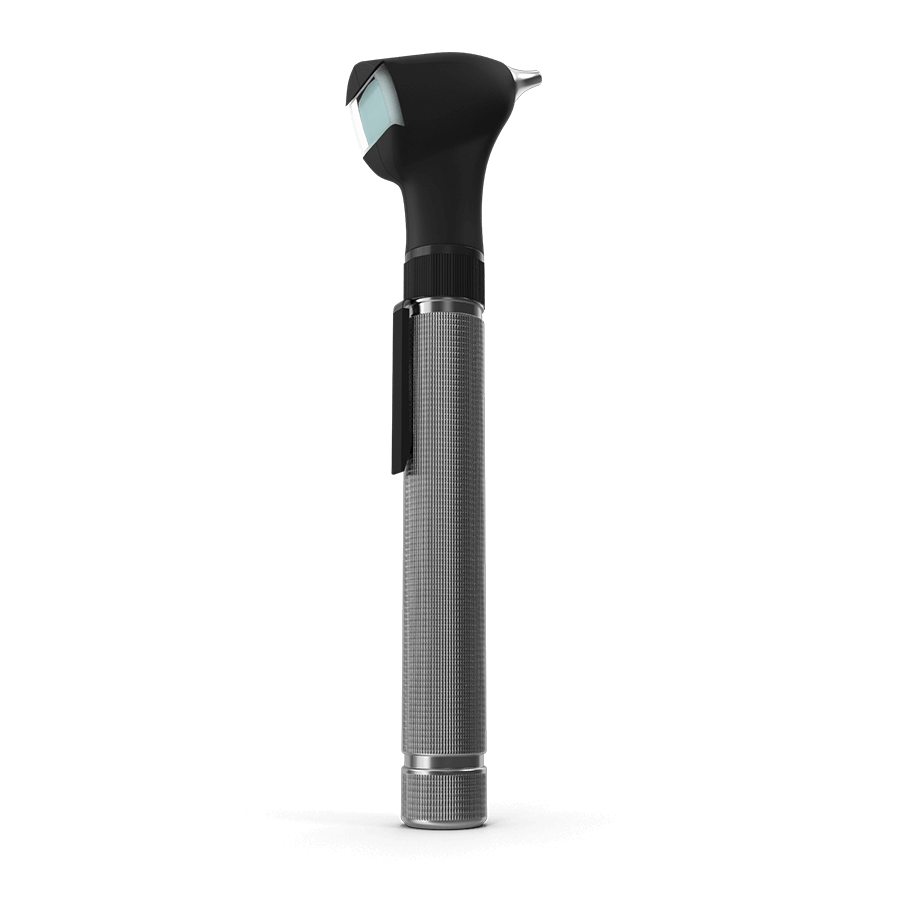
Video otoscopy allows the ear canal and eardrum to be examined. It can identify visible problems such as excessive earwax, inflammation or abnormalities of the eardrum that might contribute to discomfort or altered hearing.
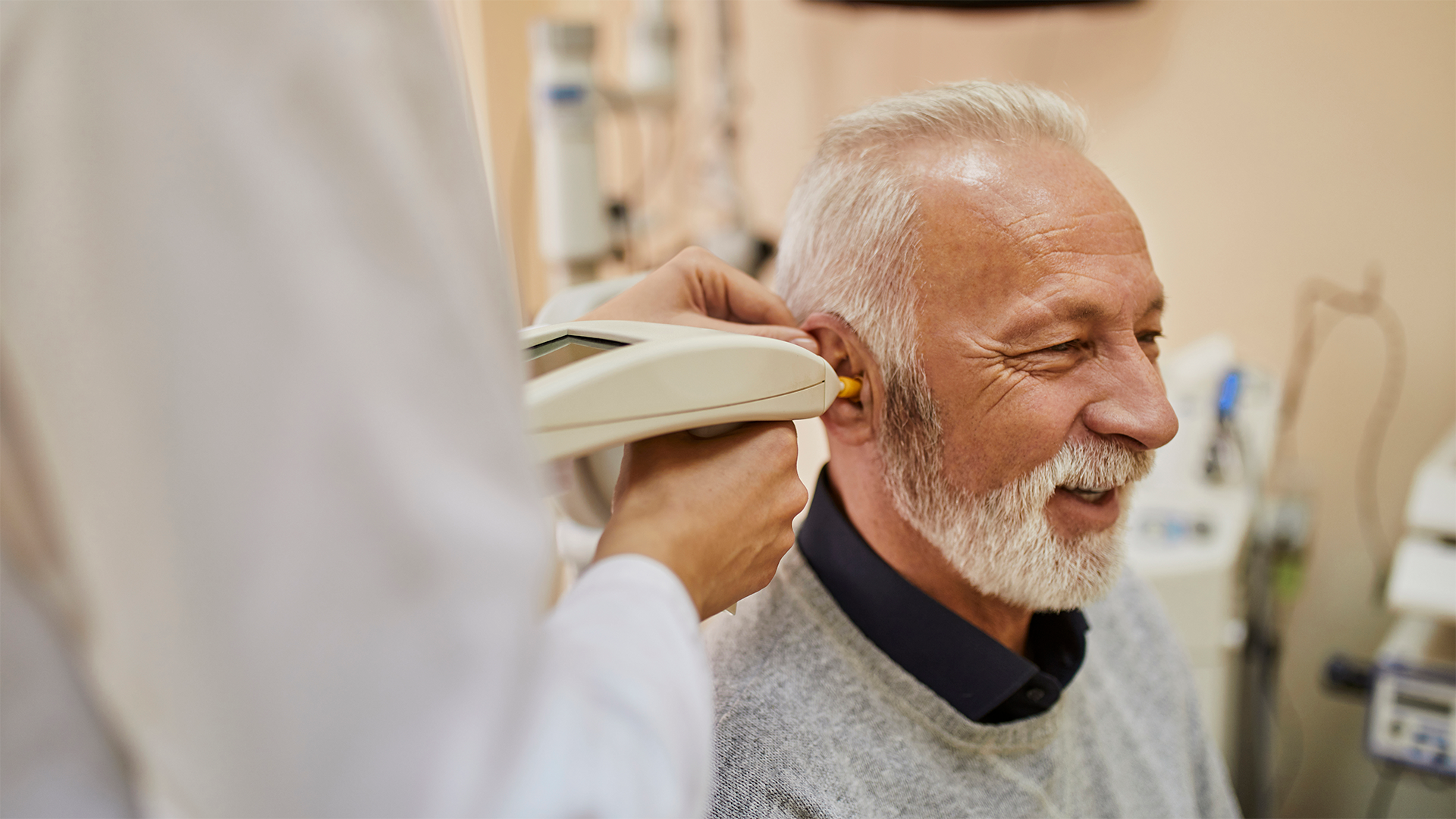
Tympanometry evaluates how the eardrum and middle-ear system respond to changes in air pressure. It can provide evidence of middle-ear fluid, pressure dysfunction or reduced movement of the eardrum.
Depending on the symptoms, additional testing may be considered. The purpose is not to prove misophonia through an audiogram. It is to establish whether another auditory or medical condition could explain part of the experience.
Audiological research involving adults who report misophonia has found that many have normal peripheral hearing sensitivity, although some also report tinnitus, hyperacusis, hearing difficulties or problems understanding speech in noise. This supports the need for individual assessment rather than assumptions.
A person may have misophonia with normal hearing. Another may have misophonia and hearing loss. A third may initially suspect misophonia but show a pattern more consistent with hyperacusis or another ear-related condition.
The recommended clinical pathway will not be identical in each case.
What the assessment should explore beyond the audiogram
The consultation should begin with the person’s description of the problem.
Which sounds trigger the reaction? Does the response depend on who produces the sound? Is it related to volume, repetition, proximity or context? Does the person experience pain, physical discomfort, anger, disgust, fear or panic?
It is also important to establish when the symptoms began, whether they have changed and how they affect daily life.
A clinician may ask whether the person avoids meals, public transport, workspaces or social activities. They may explore whether tinnitus, dizziness, ear pressure, pain or changes in hearing are also present.
This history helps distinguish a selective trigger response from a more general intolerance to sound.
There is no universally accepted clinical test battery for diagnosing misophonia. Questionnaires and self-report measures exist, but the evidence supporting different instruments remains uneven. They should not be treated as automatic diagnostic tools without clinical interpretation.
Tests of uncomfortable loudness levels are sometimes used when hyperacusis is suspected, but they must be conducted and interpreted cautiously. Sound tolerance is influenced by instructions, expectations, anxiety and testing method. One result cannot describe the full experience.
The most informative assessment combines the person’s history, ear examination, appropriate audiological tests and the functional impact of the symptoms.
At AudioCare, pure-tone and speech audiometry, video otoscopy, tympanometry and ENT assessment can help investigate the auditory and medical aspects of the complaint. Where the findings suggest that psychological or behavioural support is also required, referral to an appropriately qualified professional is essential.
A clear assessment helps define the next step
Management of misophonia is still an evolving area. Research into treatment remains limited, and no single approach is suitable for everyone.
Because AudioCare does not provide psychological treatment, it would be inaccurate to suggest that an audiological assessment alone resolves misophonia. Its value lies in clarification, exclusion of other problems and appropriate referral.
When hearing loss, middle-ear dysfunction, tinnitus or hyperacusis is identified, these findings can be addressed or investigated through the relevant audiology or ENT pathway.
When hearing and ear function appear normal but the history remains consistent with misophonia, psychological or multidisciplinary support may be appropriate. Approaches described in the literature include forms of cognitive behavioural therapy and interventions aimed at emotional regulation, coping and reducing the functional impact of triggers. The evidence base is still developing, so treatment should be individualised.
People should be cautious about advice that promises to cure misophonia rapidly or that recommends complete avoidance of all triggering sounds. Constant avoidance can become highly restrictive and may increase the disruption caused by the condition.
The first objective is to understand what is happening accurately.
A person experiencing strong reactions to specific sounds should not be told that they are simply being intolerant. At the same time, the term misophonia should not be applied to every unpleasant reaction to noise without assessment.
At AudioCare, a comprehensive hearing and ear-health evaluation can provide an important starting point. It can determine whether hearing loss, middle-ear dysfunction, tinnitus, hyperacusis or another auditory concern is present and indicate whether ENT or external psychological support should follow.
Misophonia cannot be diagnosed from an audiogram alone. But careful audiological testing can replace uncertainty with useful clinical information and help ensure that the person is directed towards the right form of support.
References
- https://doi.org/10.3389/fnins.2022.841816
- https://doi.org/10.1044/2022_AJA-22-00035
- https://pmc.ncbi.nlm.nih.gov/articles/PMC11586086/
- https://doi.org/10.1044/2024_AJA-24-00111
- https://doi.org/10.3390/ijerph19116790
- https://www.nhs.uk/conditions/hyperacusis/
- https://audiocare.pt/pure-tone-speech-audiometry/
- https://audiocare.pt/video-otoscopy/
- https://audiocare.pt/advanced-tympanometry-services/
- https://audiocare.pt/comprehensive-ent-services/