

Table of Contents
When someone collects a new pair of hearing aids, it is natural to assume the devices have already been set up precisely for their ears. In practice, most hearing aids arrive on what the trade calls a first fit, a default setting calculated from the average of many ears rather than measured in yours. It is a sensible place to begin, but it is only a beginning. Probe microphone measurement, also known as real-ear measurement, is the step that checks what a hearing aid is genuinely doing once it sits inside your ear canal.
At AudioCare, this verification is a routine part of how we fit Signia hearing aids. It is the difference between assuming an aid is correct and confirming that it is, and it goes a long way to explaining why two people with very similar audiograms can still need quite different settings.
No Two Ear Canals Are Alike
Ear canals are surprisingly individual. They differ in length, width, volume and curvature, and each of those features changes the way sound behaves on its short journey to the eardrum. An open ear canal has a natural resonance that lifts certain pitches, usually somewhere in the region of 2,000 to 3,000 Hz, and the moment a dome or an earmould is placed in the canal that resonance changes. A smaller canal also builds up more sound pressure than a larger one for exactly the same device output, which is part of why a child’s ear and an adult’s ear respond so differently to identical settings.
Because of this, a programme based on an average ear can land several decibels away from what your own ear actually receives. A few decibels might sound trivial, yet at the frequencies that carry the clarity of speech it can be the difference between catching a consonant and missing it altogether. Where a direct real-ear measurement is not possible, for example with very young babies, audiologists use a related measure called the real-ear-to-coupler difference to account for the same individual acoustics.
What a Probe Microphone Measurement Actually Involves
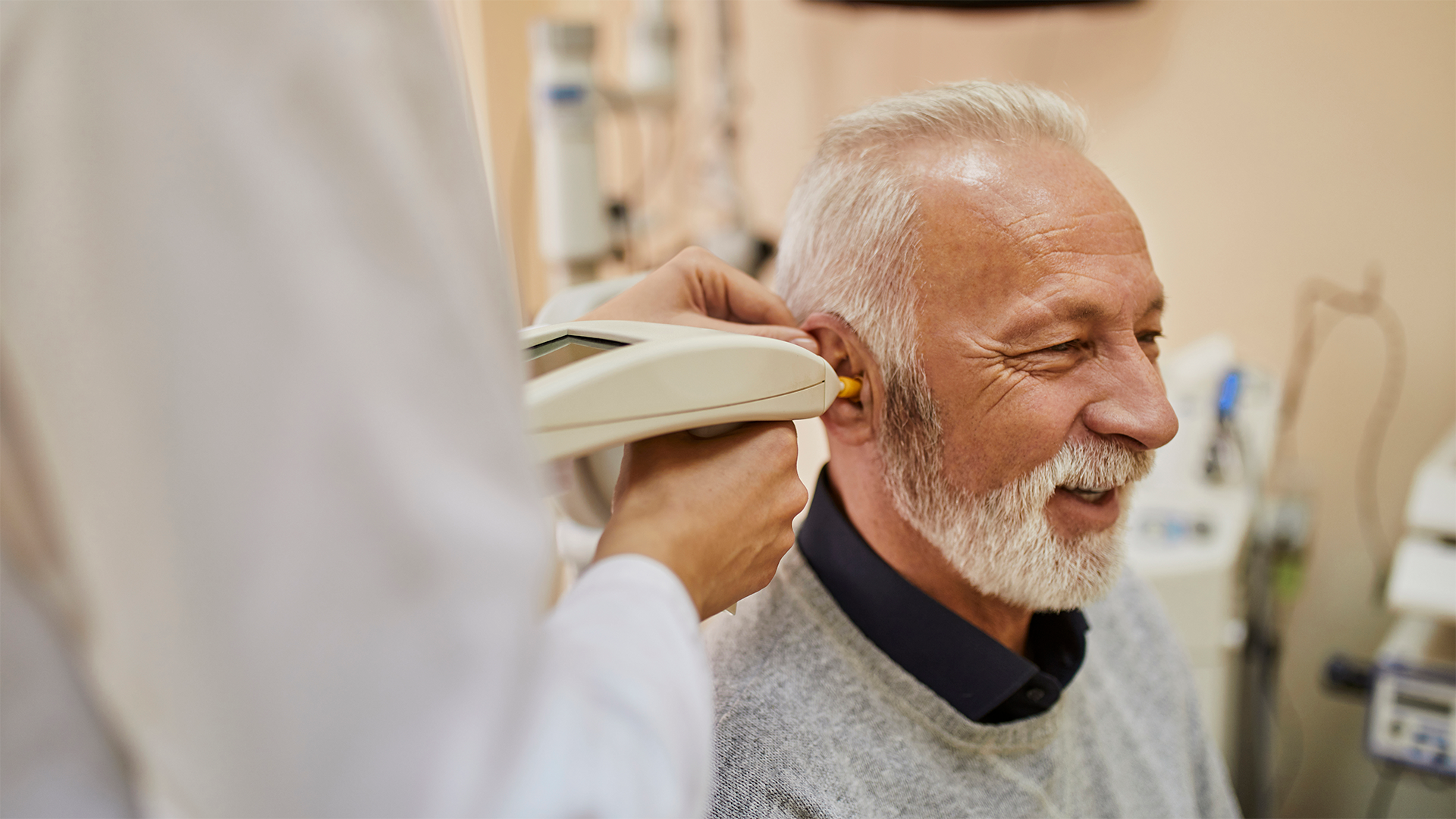
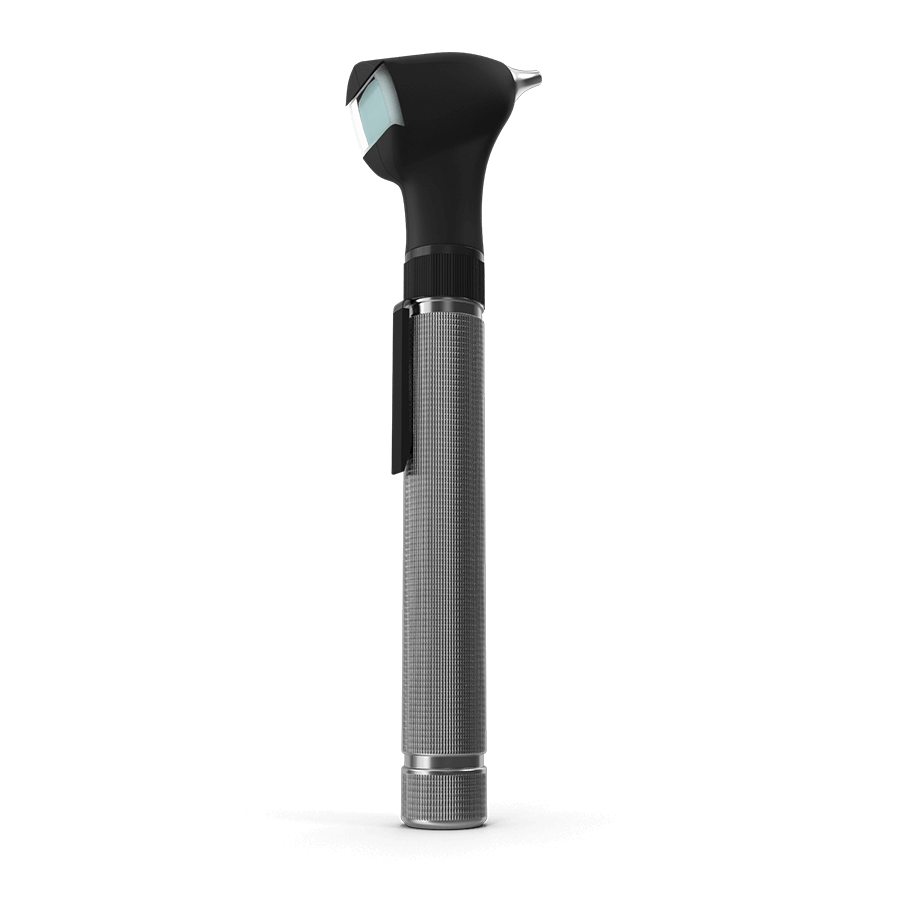
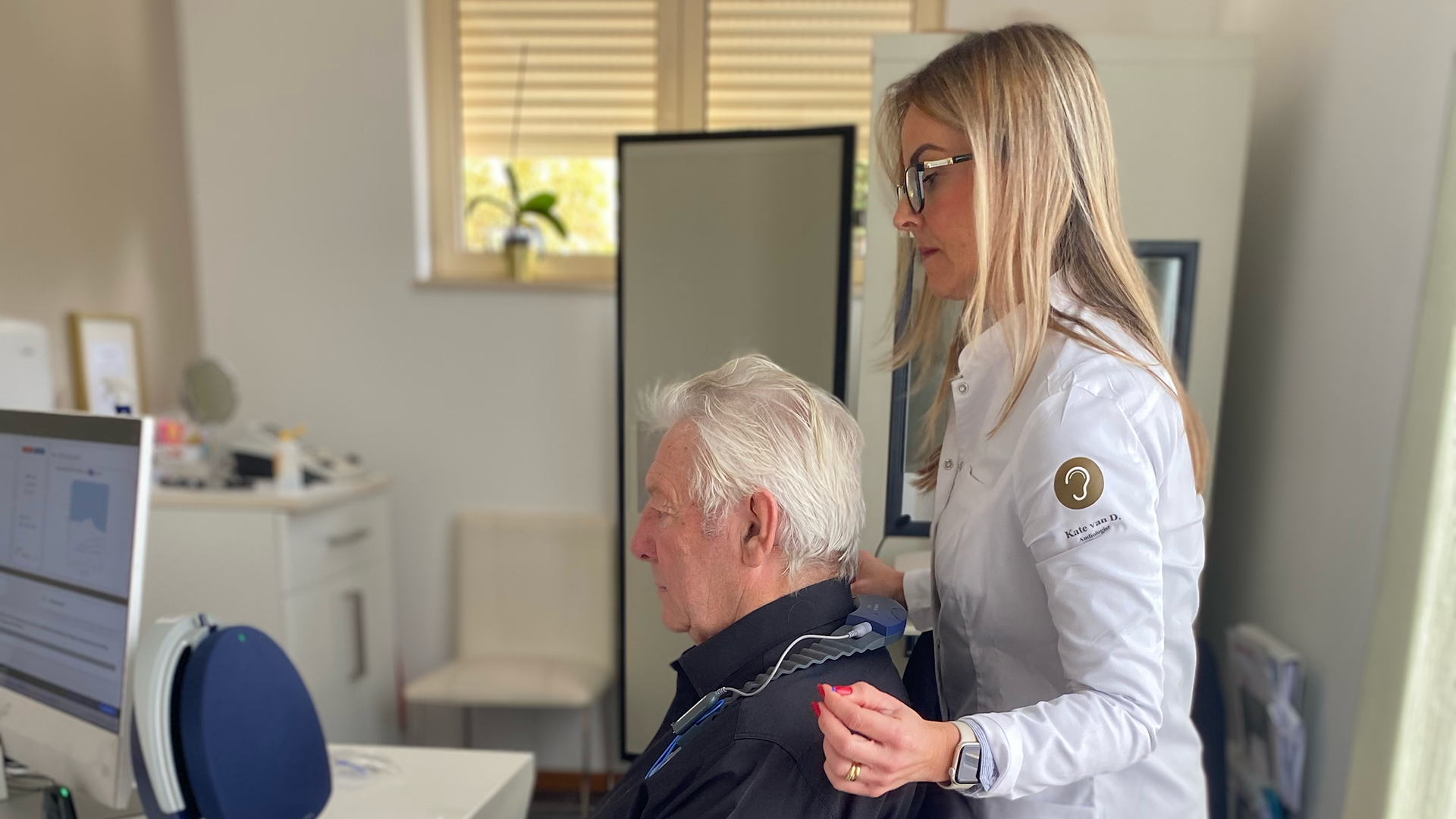
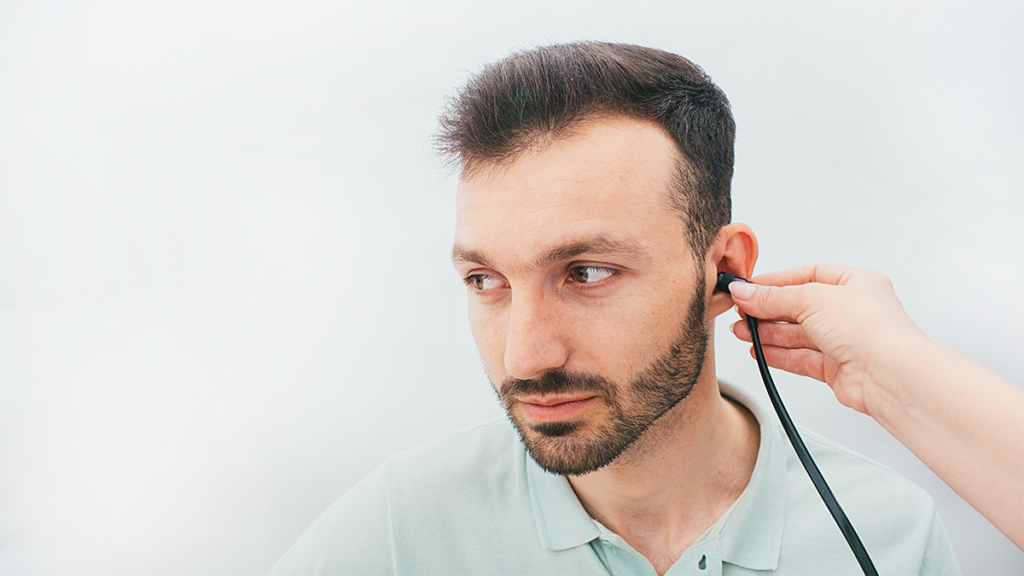
The procedure is quick and comfortable. It begins with otoscopy, a look inside the ear to confirm that wax or debris will not sit in front of the probe and distort the reading. A very thin, soft silicone tube is then placed in the ear canal so that its tip rests a few millimetres from the eardrum. The hearing aid is fitted in the usual way alongside the tube, and a calibrated loudspeaker plays a series of test signals, frequently a sample of real speech rather than simple tones.
The equipment measures the actual sound pressure level reaching the eardrum right across the frequency range, and it does so separately for soft, medium and loud inputs. We also check the maximum output, so that sudden loud sounds are amplified safely rather than uncomfortably. The whole process takes only a few minutes per ear, and it has been a recognised part of careful hearing aid fitting since computerised probe systems became widely available in the mid 1980s. Accuracy does depend on a few details that an experienced clinician controls carefully, among them the exact position of the probe tip relative to the eardrum and a calm, quiet test environment, since reflections and movement can nudge the readings. This is one reason verification is treated as a skilled clinical measurement rather than a quick automatic check.
Matching the Sound to a Prescription
Your audiogram does more than describe a hearing loss; it generates a prescription. Validated fitting formulae, such as NAL-NL2 from the National Acoustic Laboratories in Australia, or the Desired Sensation Level method used widely with children, calculate how much amplification each frequency should receive for quiet, average and loud sounds. Those targets are the reference point for everything that follows.
During a probe microphone measurement, the sound the aid delivers is compared against that target, frequency by frequency. If quiet speech is falling short, we lift it; if a band is sitting too strong, we ease it back. A technique called speech mapping makes all of this visible, showing where ordinary conversation falls in relation to your hearing thresholds, so it is plain whether soft speech is reaching you without loud speech becoming harsh. The aim is a measured match to the prescription, confirmed in your ear rather than taken on trust. Verification can also extend beyond simple amplification, since the same session is an opportunity to check that features such as directional microphones and any frequency-lowering settings are behaving as intended for the way you listen day to day.
Why First-Fit Settings Often Miss
A manufacturer’s first fit is calculated inside a test coupler or a model of an average ear, never inside yours, and that is precisely where it can drift. Research comparing first-fit output with prescriptive targets has found differences of as much as 10 to 15 decibels at some frequencies, usually with the aid delivering less amplification than the prescription calls for. The practical consequence is that quieter speech sounds, the ones that tend to fade first, may never quite reach the level where you can hear them, while other settings sit higher than they need to.
None of this points to a fault in the hearing aid. Modern Signia devices are highly capable instruments. The point is that their default programming cannot know the acoustics of an individual ear until those acoustics have been measured. Verification is simply what turns a strong starting point into an accurate one.
What the Evidence Shows
The value of verification is not a question of taste; it has been examined directly. When fittings adjusted to a prescriptive target using real-ear measurement are compared with manufacturer first-fit settings, the verified fittings tend to provide better audibility and improved recognition of speech in quiet, and most people, when given the choice, prefer the verified sound. Probe microphone verification is recognised as best practice, often described as the gold standard for hearing aid fitting, by professional bodies including the American Academy of Audiology, the American Speech-Language-Hearing Association and the British Society of Audiology.
Despite that consensus, surveys carried out over many years have shown that verification is still not done everywhere. Some clinics do not own the equipment, and others treat the first fit as the finished article. That gap between recognised best practice and everyday habit is one of the clearest reasons to ask how, and indeed whether, your own hearing aids were verified.
Fitting for Your Ears, Not an Average One
A hearing aid is only ever as good as the way it is set up. The most advanced device in the world will disappoint if it is left on a default meant for someone else’s ears. Probe microphone measurement is the step that grounds a fitting in physical reality, replacing an assumption with a reading taken a few millimetres from your eardrum.
At AudioCare we use real-ear verification as a standard part of fitting Signia hearing aids, and we regard it as the beginning of an ongoing relationship rather than a single appointment. Ears change, wax comes and goes, and listening needs shift between a quiet morning at home and a crowded summer café on the Algarve coast, so periodic re-checks and adjustments keep a fitting honest over time. If you already wear hearing aids and are not certain they were ever measured in your own ears, a probe microphone measurement can confirm whether they match your prescription, and where they do not, it shows precisely what to adjust.
References
- https://www.baaudiology.org/wp-content/uploads/2020/11/REMS-2018.pdf
- https://www.audiology.org/news-and-publications/audiology-today/articles/online-feature-real-ear-verification-for-the-new-professional/
- https://www.ncbi.nlm.nih.gov/pmc/articles/PMC9886103/
- https://www.nidcd.nih.gov/health/hearing-aids