

Table of Contents
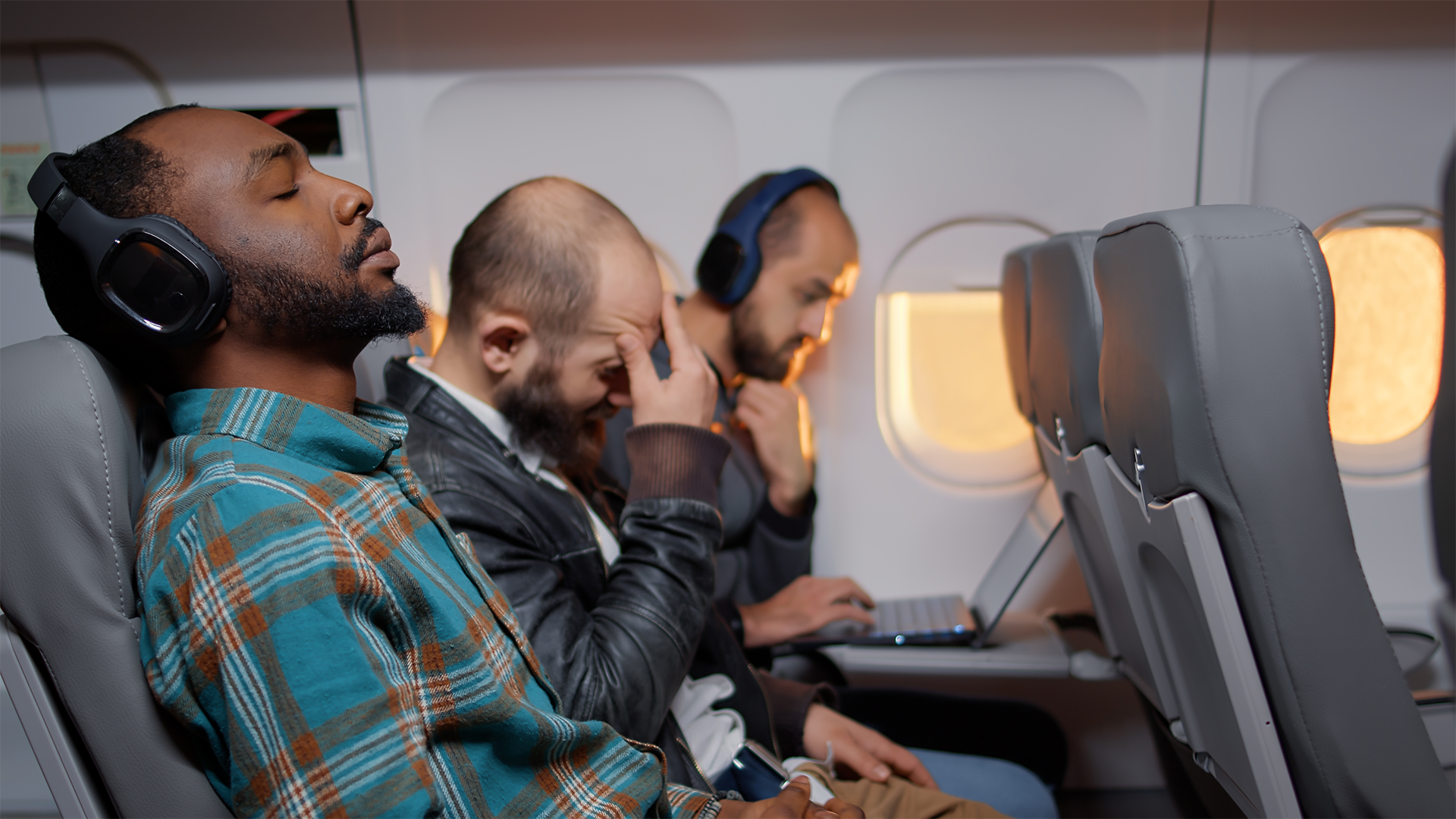
For some people, flying is uneventful. They board the aircraft, watch a film, perhaps have a nap, and step off at their destination without giving their ears a second thought. For others, flying can be surprisingly uncomfortable. Their ears start to feel blocked during descent, sounds become muffled, and a sharp pain develops just before landing. In some cases, the sensation can last for several hours or even days after the flight.
This difference often raises a simple question: why do some people suffer while others barely notice the change in altitude?
The answer lies in the way our ears manage pressure. Although everyone experiences the same changes in cabin pressure during a flight, not everyone’s ears respond in the same way. Small differences in anatomy, health, and the way the ears equalise pressure can make the experience feel entirely different from one passenger to another.
The Small Passage That Keeps Pressure Balanced
Deep inside each ear is a narrow channel called the Eustachian tube. It connects the middle ear to the back of the nose and upper throat.
Most of the time, this tube remains closed. It opens briefly when we swallow, yawn, or chew, allowing air to move between the middle ear and the surrounding environment.
This process keeps the pressure on both sides of the eardrum balanced.
Normally, we never notice it happening. Yet this small mechanism plays an essential role every time we fly.
Aircraft cabins are pressurised, but not to sea-level conditions. As the aircraft climbs and descends, the pressure around us changes. Our ears must continuously adapt to these changes by allowing air to move in and out of the middle ear.
When this adjustment happens efficiently, we may hear a soft popping sensation and carry on with our journey. When it does not, pressure begins to build, and discomfort follows.
Why Landing Usually Feels Worse
Many passengers notice that their ears feel perfectly comfortable during take-off but become painful during descent.
This is not unusual.
As the aircraft climbs, the surrounding pressure decreases. Air inside the middle ear naturally expands and usually escapes relatively easily through the Eustachian tube.
During descent, the opposite occurs. Cabin pressure gradually increases, and air needs to move into the middle ear to maintain balance. This process is often more difficult.
If the Eustachian tube does not open sufficiently, a pressure difference develops across the eardrum. The membrane stretches inward, creating the sensation of fullness, reduced hearing, and sometimes significant pain.
This is why chewing, swallowing, sipping water, or yawning often helps during landing. These actions encourage the Eustachian tube to open and allow pressure to equalise.
Why Some People Struggle More Than Others
Although everyone experiences the same cabin environment, several factors influence how easily the ears adapt.
One of the most common is nasal congestion.
A common cold, sinus infection, or seasonal allergies can cause swelling around the opening of the Eustachian tube. Even mild congestion may reduce its ability to function efficiently.
Many people only discover this relationship after a flight. They may have felt perfectly well before travelling, perhaps experiencing nothing more than a slightly blocked nose, only to develop considerable ear discomfort during descent.
Children are also more likely to experience difficulties.
The Eustachian tube in children is shorter, narrower, and positioned differently from that of adults. These anatomical differences make pressure equalisation less efficient, which is why younger travellers often complain of blocked ears or discomfort during flights.
Individual anatomy may also play a role.
Some people naturally seem more sensitive to pressure changes than others. Their Eustachian tubes may open less effectively or respond more slowly to changes in altitude. This does not necessarily indicate disease, but it can explain why one person experiences discomfort while another barely notices the descent.
Previous ear problems may also influence the experience. A history of recurrent ear infections, middle-ear fluid, or persistent Eustachian tube dysfunction can make flying more challenging for some individuals.
Why One Ear Can Feel Worse Than the Other
Another common question is why only one ear sometimes becomes blocked.
People often assume that both ears should react identically. In reality, they do not always behave in the same way.
The Eustachian tubes on each side function independently. One side may be slightly more congested than the other. There may be minor anatomical differences, or one tube may simply open less efficiently at that particular moment.
As a result, one ear may equalise normally while the other struggles.
This can create the strange sensation of hearing clearly on one side while everything sounds muffled on the other.
Some people also notice a feeling of pressure moving from one ear to the other during the flight. This usually reflects the fact that the ears are equalising at different rates.
In most cases, these sensations improve once the pressure eventually balances.
When Discomfort Lasts Longer Than the Flight
For many travellers, ear discomfort resolves within minutes or hours after landing.
However, this is not always the case.
Some people continue to experience symptoms for several days. Their hearing remains muffled, the ear still feels blocked, or they develop persistent pressure and discomfort.
Occasionally, ringing in the ear may appear. Others describe a sensation similar to having water trapped inside the ear.
Although these symptoms are often temporary, recurring episodes deserve attention.
Repeated difficulties equalising pressure may indicate underlying Eustachian tube dysfunction or other middle-ear issues that would benefit from assessment.
Persistent symptoms are particularly important if they occur after nearly every flight or are becoming progressively worse.
Looking Beyond the Flight Itself
An episode of ear pain during flying is not necessarily a sign of a serious problem. However, it can sometimes provide useful information about how the ears are functioning.
People who repeatedly experience significant discomfort during altitude changes may also notice symptoms in everyday situations. They may describe intermittent ear pressure, popping sensations, fluctuating hearing, or difficulty equalising pressure after a cold or allergy flare.
A proper assessment helps determine whether the ears are regulating pressure efficiently.
The evaluation may include a clinical examination of the ear and objective tests of middle-ear function. These assessments can provide valuable information about how the eardrum and middle ear respond to changes in pressure and whether further management is appropriate.
Importantly, the goal is not simply to explain why a recent flight was uncomfortable. It is to understand whether there is an underlying reason that could affect future journeys and everyday comfort.
More Comfortable Flying Often Starts Before You Board
Most episodes of ear discomfort during flying are temporary and settle without treatment.
Nevertheless, the experience can be frustrating, especially for people who travel regularly or feel anxious every time they fly.
The key point is that not everybody’s ears respond to altitude changes in the same way.
A slight cold, seasonal allergies, previous ear problems, childhood anatomy, or individual differences in pressure regulation can all influence how a flight feels.
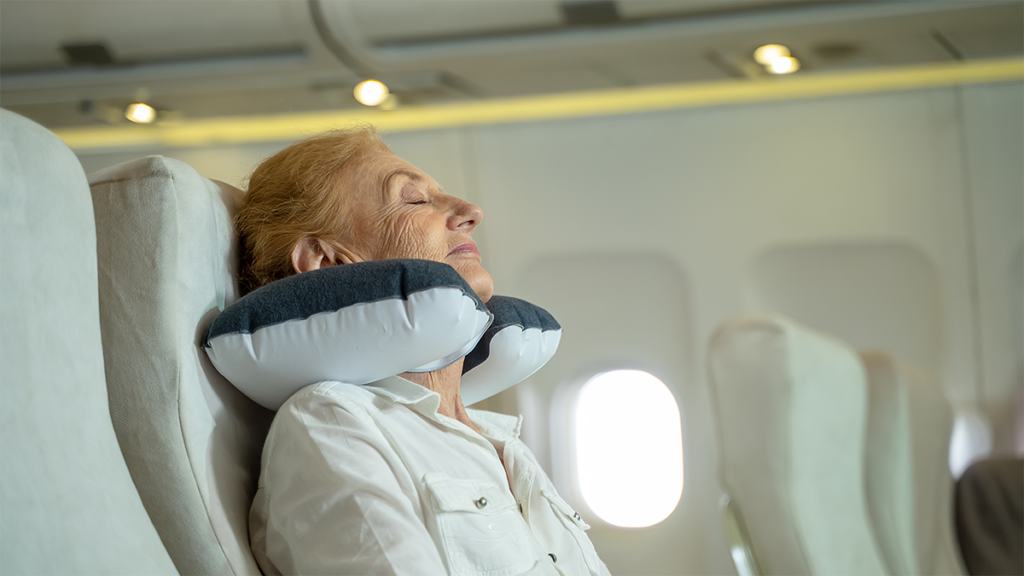
This is why one passenger may sleep peacefully throughout the descent while another experiences considerable discomfort.
Understanding these differences can make the experience far less worrying. It also helps identify when symptoms are simply an occasional inconvenience and when they may justify a professional assessment.
The ears are remarkably good at adapting to changing environments, but sometimes they need a little extra help. Knowing how your own ears respond to pressure changes is often the first step towards travelling more comfortably and confidently.
References
- https://www.nidcd.nih.gov/health/ear-infections-children
- https://www.mayoclinic.org/diseases-conditions/airplane-ear/symptoms-causes/syc-20351701
- https://www.enthealth.org/
- https://www.ncbi.nlm.nih.gov/books/NBK499851/
- https://www.thebsa.org.uk/
- https://www.who.int/publications/i/item/world-report-on-hearing