

Table of Contents
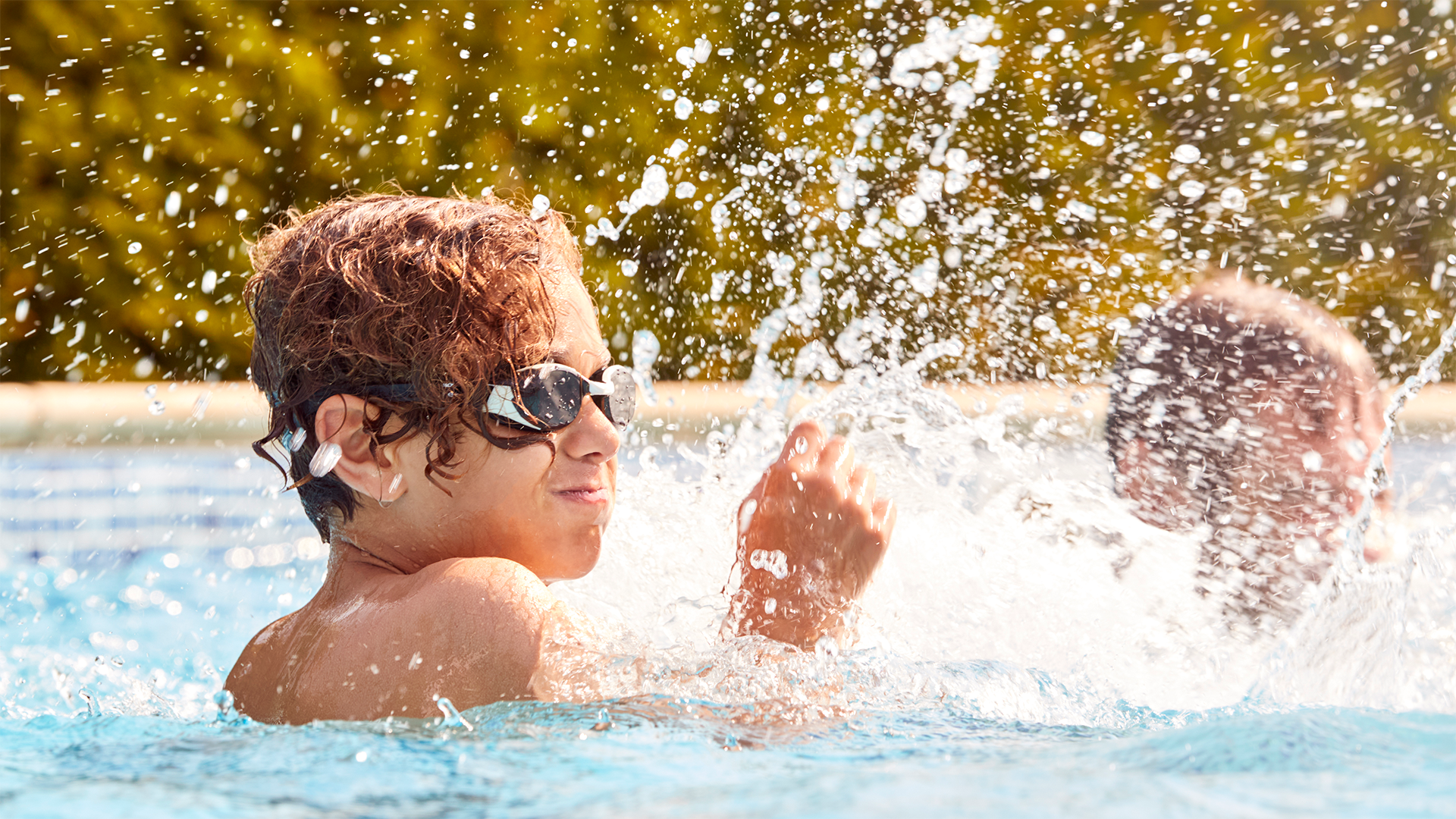
Summer is synonymous with swimming pools, the sea, lakes and water sports. For most people, these activities are simply part of enjoying the warmer months. Occasionally, however, a pleasant day in the water is followed by an itchy ear, discomfort or pain that seems to worsen over the following days.
Many people assume that any ear pain after swimming means they have an ear infection. Others believe trapped water is always the cause. In reality, the situation is a little more complex.
One of the most common conditions associated with swimming is swimmer’s ear, medically known as otitis externa. Unlike a middle-ear infection, swimmer’s ear affects the ear canal, the passage between the outer ear and the eardrum. It is a common condition, particularly during the summer, but it can affect anyone whose ear canal remains damp or becomes irritated.
The good news is that swimmer’s ear is often preventable. Understanding why it develops, recognising the early symptoms and knowing how to care for your ears can significantly reduce the risk of infection and help you seek treatment before symptoms become more severe.
What Exactly Is Swimmer’s Ear?
Swimmer’s ear is an inflammation or infection of the external ear canal.
Under normal circumstances, the ear canal protects itself remarkably well. A thin layer of earwax helps maintain a slightly acidic environment that discourages bacteria and fungi from growing. The skin lining the canal also acts as a natural protective barrier.
Problems begin when this delicate balance is disrupted.
Repeated exposure to water can soften the skin inside the ear canal. Moisture that remains trapped creates an environment where bacteria can multiply more easily. Small breaks in the skin, sometimes caused by scratching or using cotton buds, provide an opportunity for microorganisms to enter the tissue and trigger inflammation.
Although the condition is commonly associated with swimming, it is not limited to swimmers. Anyone exposed to prolonged moisture or irritation inside the ear canal can develop swimmer’s ear.
For this reason, ENT specialists often see cases during warm weather, but also after frequent showering, humid working environments or repeated use of in-ear devices that trap moisture.
Why Does Water Increase the Risk?
Many people believe that water itself causes the infection.
In reality, water is usually only one part of the story.
Healthy ears are perfectly capable of getting wet without developing problems. The issue arises when moisture remains inside the ear canal for prolonged periods or when repeated exposure changes the natural environment of the skin.
Swimming several times a week, spending long periods in the water or living in hot, humid conditions can all increase the likelihood that moisture will remain trapped.
The type of water may also play a role.
Swimming pools are generally safe when properly maintained, but bacteria can still be present. Lakes and rivers naturally contain microorganisms, while seawater may irritate already sensitive skin in some individuals.
However, exposure alone is rarely enough to cause infection.
Most people who develop swimmer’s ear also have another contributing factor, such as small skin injuries, eczema, psoriasis, excessive cleaning of the ears or naturally narrow ear canals that retain water more easily.
This combination of moisture and damaged skin creates ideal conditions for bacteria to grow.
Common Symptoms That Should Not Be Ignored
Swimmer’s ear rarely begins with severe pain. The earliest symptoms are often surprisingly mild.
Many people first notice an itchy sensation inside the ear canal. Others describe a feeling that the ear is slightly blocked or unusually full after swimming.
As inflammation develops, discomfort gradually increases. The ear may become tender to touch, particularly when gently pulling the outer ear or pressing on the small cartilage just in front of the ear canal. This tenderness is one of the features that often distinguishes swimmer’s ear from problems affecting the middle ear.
Some people also notice redness around the entrance of the ear canal or a small amount of clear or yellowish discharge. If the swelling continues to increase, hearing may temporarily become muffled because the inflamed ear canal narrows and partially blocks sound from reaching the eardrum.
Without treatment, the pain can become significant, particularly when chewing or lying on the affected side. Fortunately, recognising these early warning signs often allows treatment to begin before symptoms become more severe.
Who Is Most Likely to Develop Swimmer’s Ear?
Although swimmer’s ear can affect anyone, some people are naturally more susceptible than others.
Regular swimmers are among the most obvious examples. Frequent exposure to water means the protective lining of the ear canal has less opportunity to recover between swimming sessions. This does not mean that swimming itself is harmful, but repeated moisture can increase the risk when combined with other factors.
People with skin conditions such as eczema or psoriasis may also be more vulnerable. These conditions can affect the integrity of the skin lining the ear canal, making it easier for irritation or infection to develop.
Another common risk factor is excessive ear cleaning. Many people routinely use cotton buds because they believe they are keeping their ears clean. In reality, cotton buds often push earwax deeper into the ear canal, remove the wax that naturally protects the skin and may even cause tiny scratches that are invisible to the naked eye. These small injuries provide an ideal entry point for bacteria.
The use of earbuds or hearing aids does not directly cause swimmer’s ear. However, if moisture becomes trapped between the device and the ear canal, or if the devices are not cleaned regularly, the environment may become more favourable for irritation. Good hygiene and allowing the ears to dry properly before inserting any device can help reduce this risk.
Simple Ways to Protect Your Ears
Fortunately, preventing swimmer’s ear is often straightforward. The first step is allowing the ears to dry naturally after swimming or showering. Tilting the head to each side for a few moments is often enough to help trapped water escape. Gently drying the outer ear with a clean towel is perfectly appropriate, but nothing should be inserted into the ear canal.
Cotton buds, hair grips, fingers and other objects should never be used to remove water or earwax. Instead of helping, they frequently increase the risk of irritation and infection.
People who experience recurrent swimmer’s ear may benefit from wearing well-fitted swimming earplugs designed for water activities. These should fit comfortably without causing pressure or damaging the ear canal.
It is also sensible to avoid swimming if the ear is already painful, discharging or has recently undergone surgery unless specifically advised by a healthcare professional.
Most importantly, earwax should be viewed as part of the ear’s natural defence system rather than something that needs to be removed routinely. Healthy ears are usually self-cleaning.
When Should You Seek Professional Advice?
Many minor ear symptoms settle naturally, but swimmer’s ear should not be ignored if symptoms continue to worsen.
Persistent pain, increasing swelling, discharge from the ear or hearing that remains noticeably reduced all warrant professional assessment.
This is particularly important for people with diabetes, weakened immune systems or previous ear surgery, as infections can occasionally become more serious if left untreated.
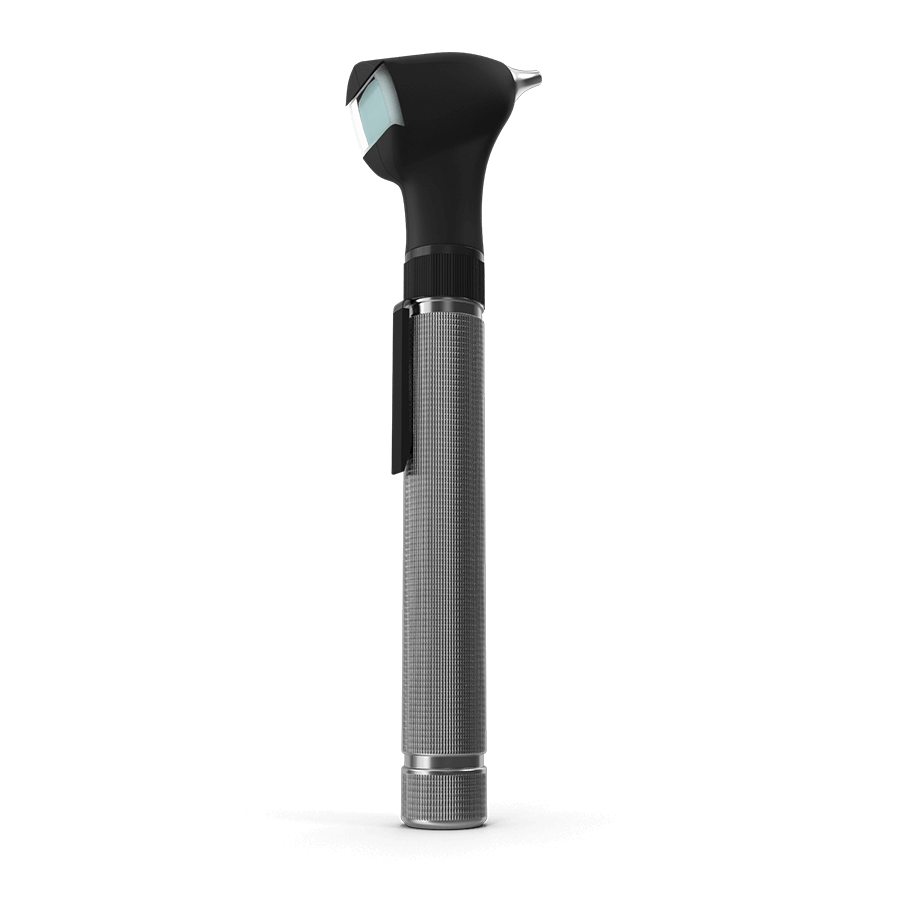
During an examination, an ENT specialist or hearing care professional can inspect the ear canal using specialised equipment to determine whether the symptoms are due to swimmer’s ear or another condition. Problems such as impacted earwax, middle-ear infections or a perforated eardrum can sometimes produce similar symptoms but require different management.
Treatment often involves carefully cleaning the ear canal where appropriate and prescribing medicated ear drops to reduce infection and inflammation. In more severe cases, additional treatment may be necessary.
Early assessment generally leads to quicker recovery and reduces the likelihood of complications.
Healthy Ears Make Summer More Enjoyable
Swimming is one of the healthiest and most enjoyable ways to stay active during the warmer months, and swimmer’s ear should not discourage anyone from enjoying the water.
The important message is that healthy ears rely on their natural protective mechanisms. Keeping the ear canal dry when possible, avoiding unnecessary cleaning and recognising early symptoms can make a significant difference.
If discomfort develops after swimming, it is worth paying attention rather than hoping it will simply disappear. Early assessment can identify the cause, provide appropriate treatment and help prevent the problem from recurring.
Looking after your ears does not require complicated routines. A few sensible habits, combined with professional advice when symptoms persist, are usually all that is needed to keep your hearing and ear health in excellent condition throughout the swimming season.

References
- https://www.cdc.gov/healthy-swimming/prevention/prevent-swimmers-ear.html
- https://www.nhs.uk/conditions/otitis-externa/
- https://www.enthealth.org/conditions/swimmers-ear-otitis-externa/
- https://www.nidcd.nih.gov/health
- https://journals.sagepub.com/doi/10.1177/0194599814545325
- https://www.ncbi.nlm.nih.gov/books/NBK556055/
- https://www.who.int/publications/i/item/world-report-on-hearing