
Table of Contents
Many people describe the same frustrating experience: “I can hear you, but I can’t understand you.” It often shows up first in cafés, family dinners, meetings, or on the phone. You catch the volume of the voice, but words blur. You fill gaps by guessing, then feel oddly tired afterwards. A standard audiogram is a strong starting point, but it mainly tells us the softest tones you can detect at different pitches. Speech audiometry adds something the audiogram cannot: it checks how your ears and brain handle real words. It helps explain why two people with similar audiograms can have very different day-to-day communication, and it guides more practical next steps, whether that is monitoring, hearing aid fitting, fine-tuning, or ENT review.
What speech audiometry measures
Speech audiometry is a family of tests that uses spoken material instead of pure tones. It commonly includes a speech reception threshold, often abbreviated to SRT, and a speech recognition or word recognition score, sometimes called speech discrimination. The SRT estimates the level at which you can repeat back about half of simple, familiar words. It is useful as a cross-check that the audiogram makes sense and as a baseline for how speech audibility behaves. Word recognition goes a step further. It measures how accurately you can repeat a list of words presented at a level that should be comfortably audible. If the score is high, it suggests that once speech is loud enough, the auditory system can still make sense of it. If the score is lower, it suggests that clarity may remain limited even when volume is adequate, which changes the plan and changes expectations.Why ‘hearing’ and ‘understanding’ split apart
Understanding speech is not one single skill. It depends on audibility, clarity, speed of processing, and the ability to separate speech from competing sounds. In common sensorineural hearing loss, the inner ear becomes less efficient at delivering fine detail, particularly in the high frequencies where consonants live. Vowels carry loudness, consonants carry definition. If consonants are softened, speech can feel like it is missing its sharp edges. That is why turning the volume up does not always solve it. You may hear a louder version of the same blurred signal. Speech audiometry captures this problem more directly than tones alone, because it reveals how well the system handles the complexity of speech, not just whether it detects sound.Word recognition scores: what they mean and what they do not
A word recognition score is not a judgement about intelligence or attention. It is a snapshot of how clearly the auditory system is coding speech under specific test conditions. It helps clinicians answer practical questions. Is the main barrier audibility, meaning hearing aids are likely to help significantly once speech is made audible? Or is the barrier clarity, meaning hearing aids may still help but the expectations and the fitting strategy need to be carefully managed? Lower scores do not mean nothing can help. They mean we need a more thoughtful approach, potentially including different hearing aid features, communication strategies, assistive microphones in noise, and a stronger focus on realistic goals. It is also important to understand variability. Word recognition can change depending on the type of word list, the number of words, the level used, the test language and accent, and whether the words are delivered via monitored live voice or recorded material. That is why good clinics use consistent methods and interpret results in context rather than treating a single percentage as the entire story.Speech in noise: the real-world question
Most people do not struggle in quiet first. They struggle in noise. Speech-in-noise testing is designed to reflect that reality. Instead of asking you to repeat words in silence, it measures how well you understand speech with competing noise present and what signal-to-noise ratio you need to perform comfortably. This matters because someone can score very well on word recognition in quiet yet still struggle hugely in restaurants. Background noise does not just make speech quieter. It masks detail and competes for the brain’s attention. Speech-in-noise measures often correlate better with the everyday complaint of “I can’t follow conversations when the room is busy.” When clinics add speech-in-noise testing, it can strengthen counselling and help choose the right hearing aid settings and accessories, such as remote microphones for meetings or dinners.How these results shape hearing aid fitting and follow-up
A strong hearing aid fitting is not only about selecting a device. It is about matching a plan to your hearing profile and your communication demands. Speech audiometry and word recognition results help in several ways. They help predict how much improvement in speech understanding is realistic. They help explain why you might still need strategies in certain environments even with good hearing aids. They also support better fine-tuning because they point to where the problem lives. If audibility is the main issue, improving access to high-frequency cues and verifying the fitting can deliver a clear jump in understanding. If clarity is reduced even at comfortable levels, the fitting may prioritise comfort, reduce distortion risk, and lean more on directional microphones, noise management, and accessories for tough environments. In Audiocare’s pathway, hearing aid care is delivered in partnership with Signia. That matters because modern Signia platforms allow precise control across frequencies and listening levels, plus practical tools for everyday environments. The value of that flexibility is highest when it is guided by the right measurements and refined through follow-up. Many people discover that the difference between “I have hearing aids” and “I hear comfortably” is not the device itself, but the verification and adjustment process after real-life use.What to expect at the appointment
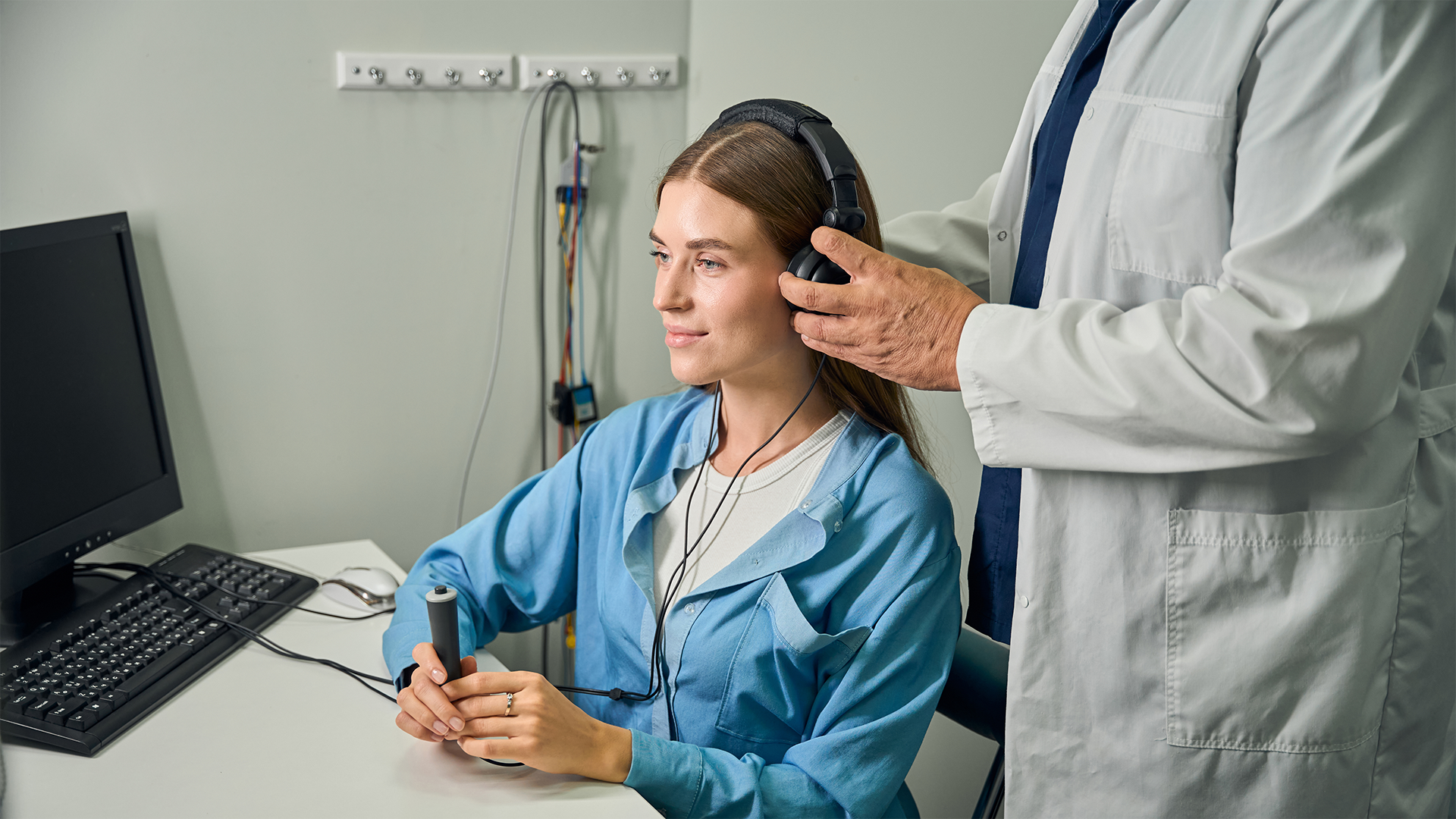
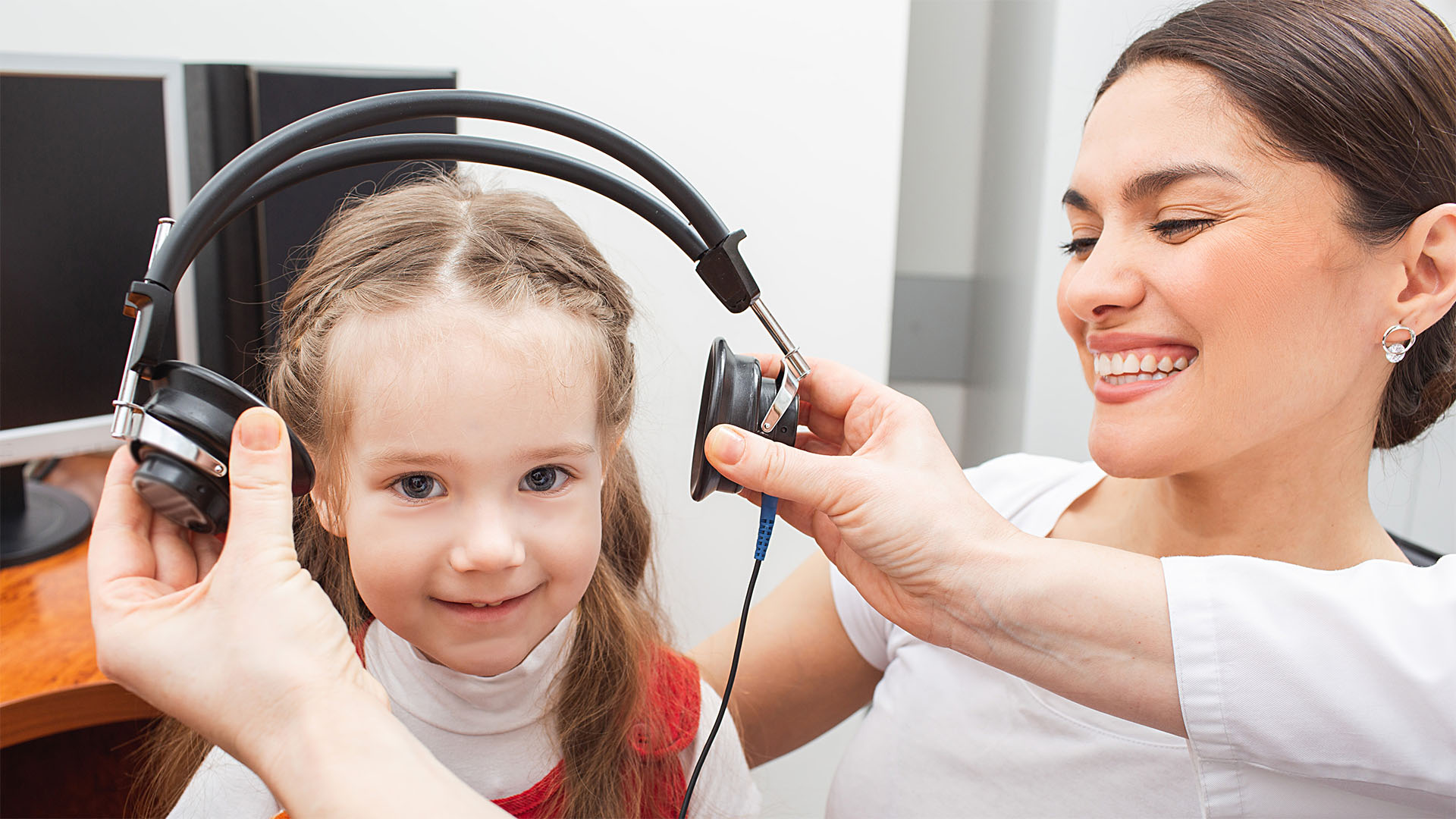
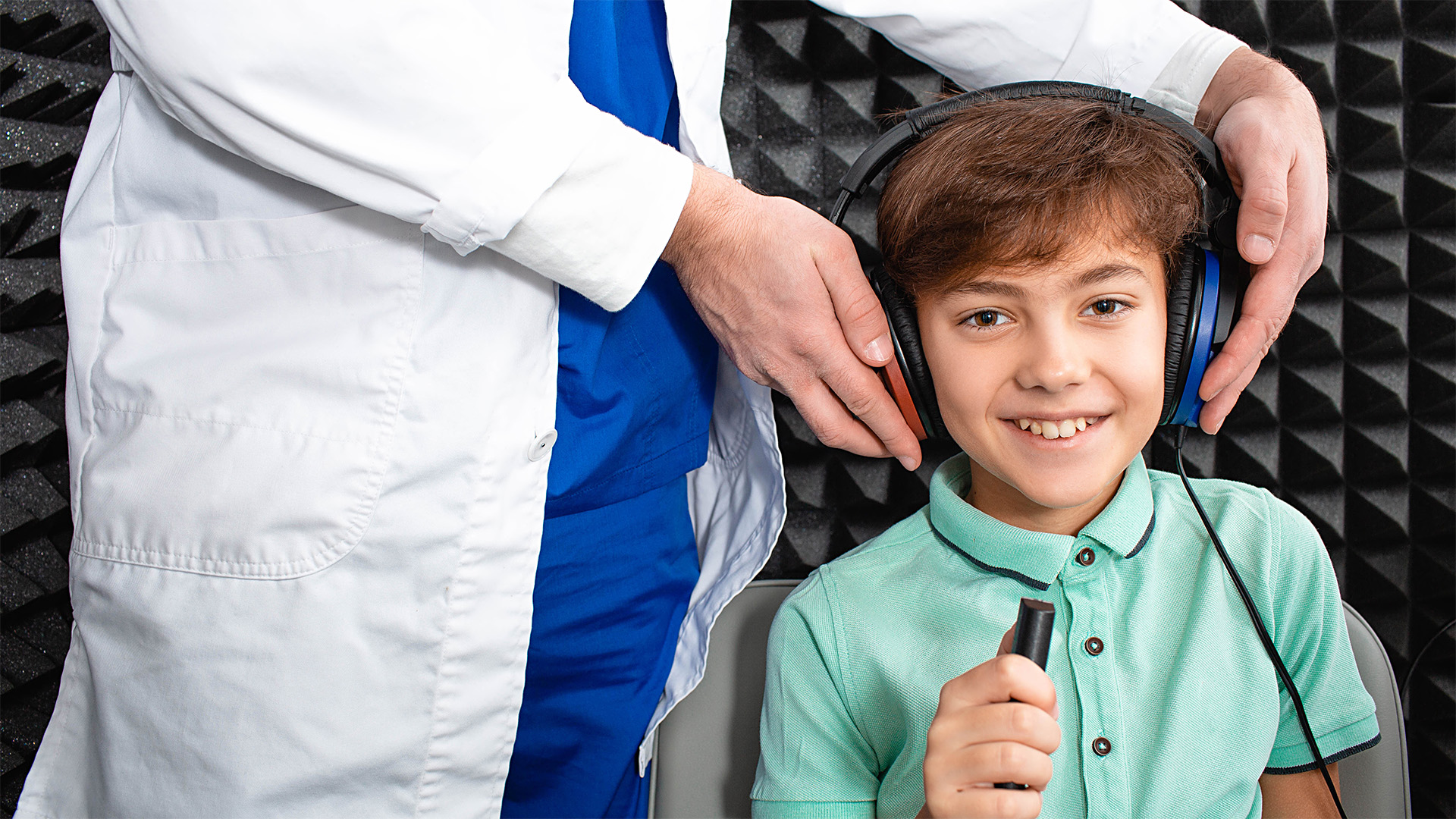
A good speech audiometry appointment should feel calm and understandable. You will typically listen to words through headphones and repeat what you hear. Some words will be presented at different loudness levels. In some tests you may also listen to speech with background noise and repeat sentences or words. The clinician is not testing memory. They are measuring how your auditory system handles speech. Results are then explained in plain language: what your thresholds show, what your speech measures show, and how the two fit together. If there is a mismatch, that is often where the most helpful insight sits. A person may have only a mild hearing loss on the audiogram yet have a noticeable drop in speech-in-noise performance. Another person may have a larger loss but still have strong word recognition once speech is audible, meaning hearing aids are likely to be very satisfying. The aim is a plan that matches your real daily listening, not just your chart.When speech results suggest an ENT review
Most hearing assessments are purely audiological, but some patterns warrant medical consideration. One-sided symptoms, sudden changes, persistent ear pressure, pain, discharge, significant dizziness, or a clear asymmetry between ears are reasons to consider ENT input. Speech measures can contribute to the decision, especially when results do not align with what would normally be expected. They are not used to diagnose medical conditions on their own, but they are part of the bigger clinical picture that helps decide whether to monitor, treat, fit, or refer.A clearer plan for real conversations
If you have been told your hearing is “not too bad” yet you feel conversations slipping away, speech audiometry can be the missing piece. It explains why hearing and understanding are not the same, and it helps turn a vague complaint into practical next steps. For some people, that means reassurance and a baseline. For others, it means hearing aid fitting with realistic goals and careful verification. For many, it means understanding that the hardest environments are not a personal failing, they are acoustically demanding, and there are tools and strategies that make them easier. The point of speech audiometry is not to generate more numbers. It is to make communication feel possible again, with less effort and more confidence.
Scientific References
- https://www.nice.org.uk/guidance/ng98
- https://www.nice.org.uk/guidance/ng98/resources/hearing-loss-in-adults-assessment-and-management-pdf-1837761878725
- https://www.ncbi.nlm.nih.gov/books/NBK613286/
- https://www.uhs.nhs.uk/Media/UHS-website-2019/Patientinformation/Audiology/Your-speech-audiometry-appointment-2953-PIL.pdf
- https://www.thebsa.org.uk/wp-content/uploads/2023/10/OD104-80-BSA-Practice-Guidance-Speech-in-Noise-FINAL.Feb-2019.pdf
- https://pmc.ncbi.nlm.nih.gov/articles/PMC10583951/
- https://pubs.asha.org/doi/10.1044/2024_AJA-24-00080