

Table of Contents
Ask an adult to sit quietly, listen for very soft tones and press a button whenever they hear one, and most will understand the task immediately.
Ask the same of a nine-month-old baby and the problem is obvious.
Young children cannot simply be given a smaller version of an adult hearing test. Their ability to participate changes rapidly with age, attention, motor development and understanding. A child who cannot press a response button may still give reliable information about what they can hear. The method simply has to be adapted.
That is one of the central principles of paediatric audiology: the test must adapt to the child, not the child to the test.
Depending on developmental stage, hearing may be assessed through head turns, visual rewards, simple games, conventional responses or objective physiological measurements. Sometimes several approaches are combined before a sufficiently clear picture emerges.
Chronological age is only part of the decision
Age gives the audiologist a useful starting point, but it does not determine the test on its own.
Two children of exactly the same age may have very different attention spans, language abilities, motor skills or willingness to cooperate with unfamiliar tasks. Developmental differences, additional needs or simply how a child feels on the day can change what is realistically achievable.
For that reason, paediatric hearing assessment is flexible.
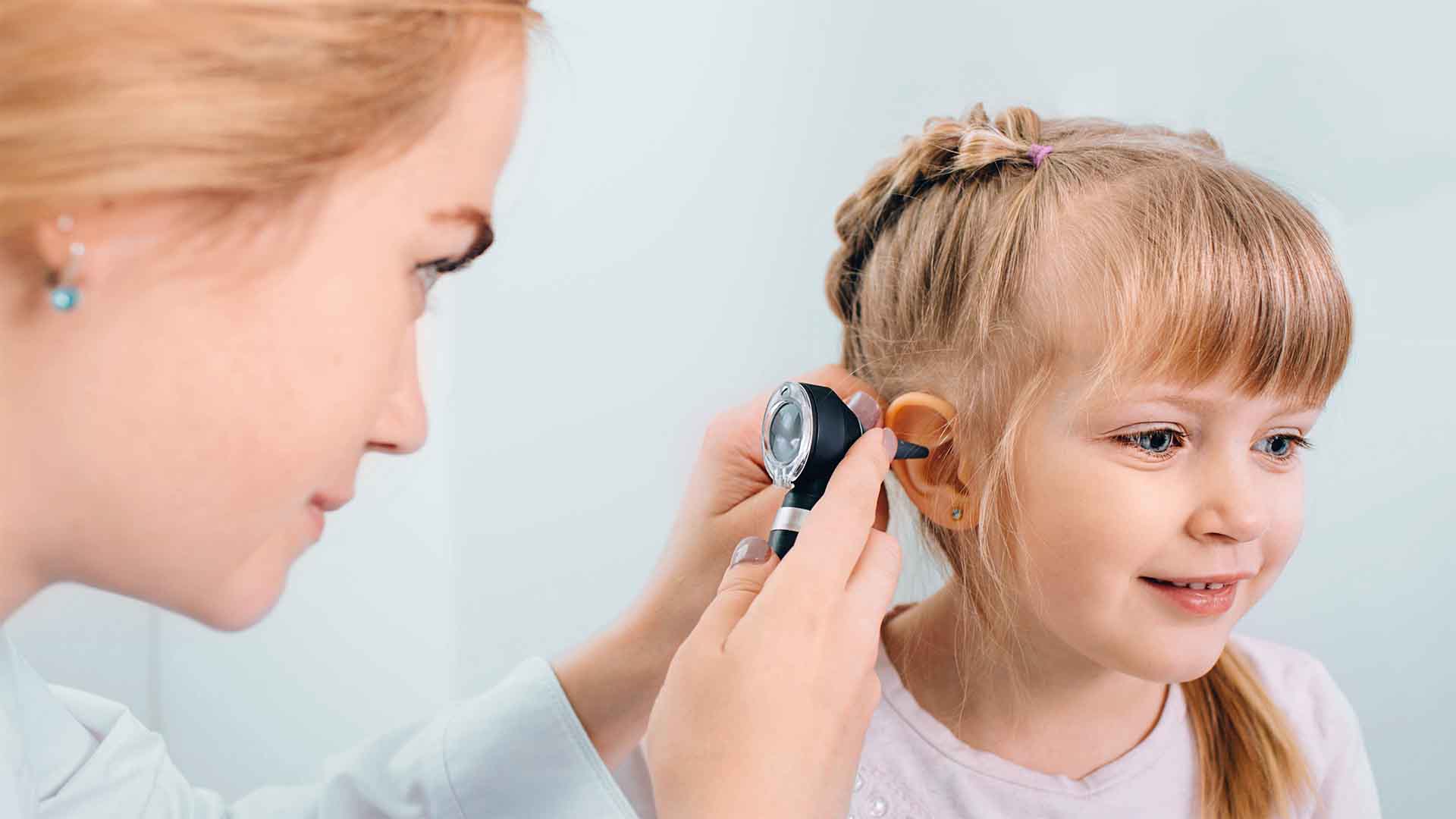
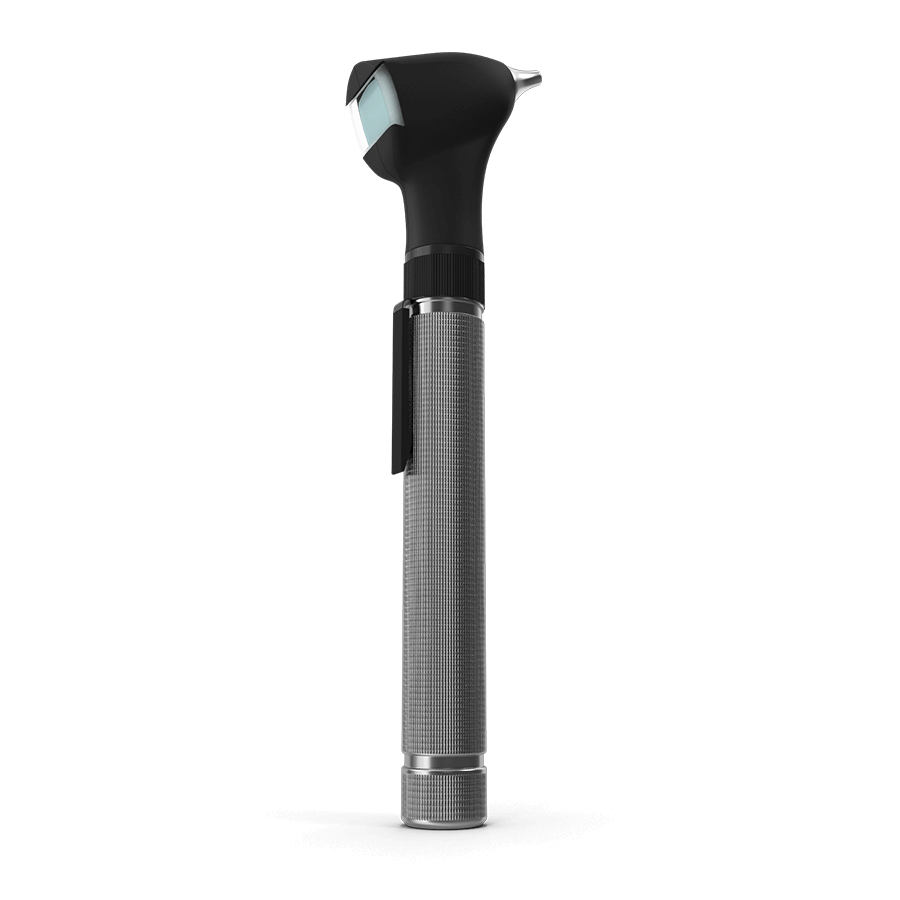
Before testing, the audiologist will usually gather information from the parent or carer about hearing concerns, general health, ear problems and development. The ears can also be examined, and middle-ear function may be assessed when appropriate.
Then comes an important practical question: what response can this particular child give reliably?
For a baby, the answer may be a conditioned head turn. For a toddler, it may be putting a toy into a box. An older child may be perfectly able to use headphones and press a button just like an adult.
The aim remains the same: to obtain useful information about hearing sensitivity in each ear wherever possible.
The route towards that information changes.
For babies and toddlers, hearing can become a visual game
Visual Reinforcement Audiometry, usually shortened to VRA, is one of the main behavioural methods used with infants and young toddlers.
The principle is straightforward.
A sound is presented and the child learns that turning towards it produces something interesting, such as an illuminated toy or an image on a screen. After this association has been established, the audiologist gradually changes the frequency and intensity of the sounds and observes the child’s responses.
What looks like a simple game is actually a carefully controlled testing procedure.
VRA is often suitable from around six months of developmental age, when a child can sit with sufficient head control and reliably turn towards a stimulus. It is commonly used through the toddler period, although developmental ability matters more than an exact birthday.
Testing may initially take place through loudspeakers.
This can tell us whether the child is responding to sounds presented into the room, but there is an important limitation: a response in the sound field does not establish the hearing threshold of each ear independently. The better-hearing ear may be responsible for the response.
Whenever possible, insert earphones can therefore be used to obtain ear-specific information.
That distinction matters. Knowing that a child hears a sound is useful. Knowing how the right and left ears behave separately is more informative.
Play audiometry turns listening into an action
As children become able to follow simple instructions, the test can change again.
Conditioned play audiometry uses a repetitive task linked to hearing a sound. The child might drop a block into a bucket, place a ring on a peg or add a piece to a simple game whenever a tone is heard.
The activity is not there merely to entertain them.
It provides the audiologist with a clear, repeatable response that can be used to establish hearing thresholds.
Play audiometry is often possible from approximately two years of developmental age and is particularly useful during the preschool years. Some children manage it earlier; others need more time.
Once reliable responses can be obtained through insert earphones, the audiologist can investigate the two ears separately across different frequencies.
Bone-conduction testing may also be added when needed. This helps distinguish whether a hearing difficulty is associated mainly with sound transmission through the outer or middle ear or with the inner ear.
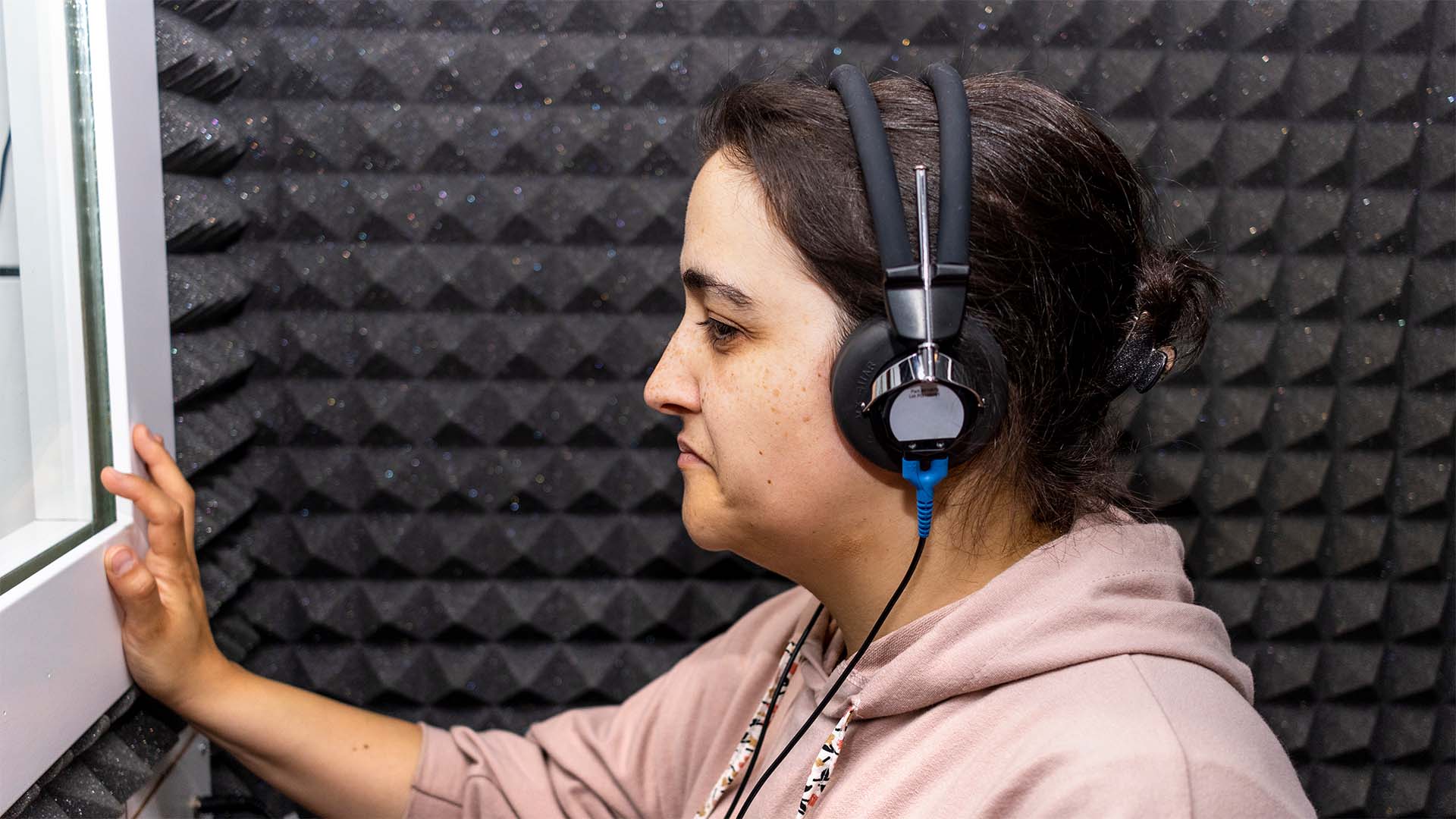
As the child becomes older and can understand a conventional testing task, play may no longer be necessary. Many children around four or five years old can begin responding to tones by pressing a button or raising a hand.
Again, that transition is developmental rather than automatic.
Not every hearing test requires the child to respond
Behavioural testing is extremely valuable because it measures how a child actually responds to sound.
But it is not the only information available.
Objective audiological tests can examine parts of the auditory system without requiring the child to perform a listening task.
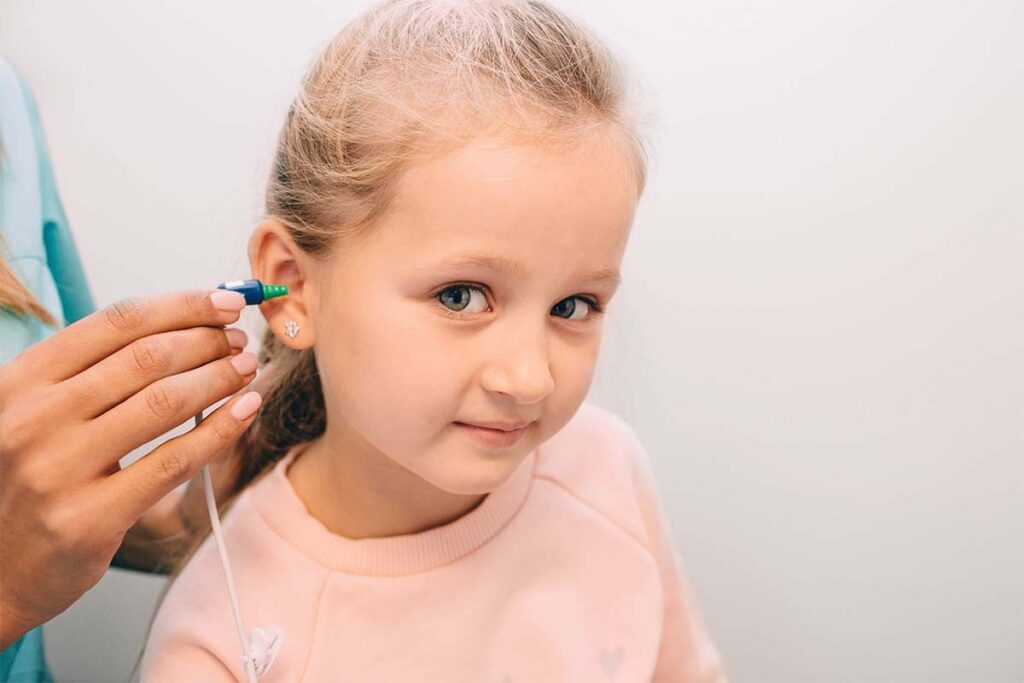
Otoacoustic emissions, or OAEs, measure very small sounds produced by functioning outer hair cells within the cochlea. A small probe placed in the ear canal presents sound and records the cochlear response.
OAEs provide useful information about cochlear function, but they are not a complete hearing test. A present OAE does not by itself prove that hearing is normal, and an absent OAE does not automatically establish the degree of hearing loss. Middle-ear conditions can also affect the measurement.
Auditory Brainstem Response testing, or ABR, records electrical activity generated by the auditory pathway in response to sound. It is particularly important when reliable behavioural thresholds cannot yet be obtained, including in very young infants, or when behavioural results are inconclusive.
ABR can estimate hearing sensitivity and provide information about auditory pathway function, but behavioural thresholds should still be obtained later when the child is developmentally able to provide them.
Tympanometry answers another question altogether. It assesses how the eardrum and middle-ear system respond to changes in pressure. This can be particularly useful in children because middle-ear conditions such as otitis media with effusion can temporarily affect hearing.
No single one of these tests tells the whole story.
Why several tests may be needed before the picture is clear
Paediatric audiology relies heavily on what is often called a cross-check approach.
If different tests examine different parts of the auditory system, their findings should be considered together.
Suppose a young child responds less consistently than expected during behavioural testing. That alone does not prove hearing loss. The child may simply have lost interest in the task.
Conversely, apparently good responses in a loudspeaker test do not necessarily prove that both ears hear normally.
The audiologist may therefore combine behavioural observations with tympanometry, OAEs, ABR or repeated testing depending on the clinical situation.
Sometimes a complete answer cannot be obtained in one appointment.
Young children become tired. Attention changes quickly. They may tolerate loudspeakers but refuse earphones, or participate enthusiastically for ten minutes and then decide the game is over.
Pushing on simply to complete every measurement can make the information less reliable.
In some cases, stopping and completing the assessment at another appointment is the more clinically useful choice.
That is not a failed test.
It is recognition that reliable information matters more than collecting every possible result in one sitting.
The best test is the one that gives reliable information from that child
Parents sometimes arrive expecting their child to sit through the same procedure they have experienced themselves.
Paediatric audiology works differently.
A baby may turn towards a cartoon. A three-year-old may spend the appointment moving blocks. An older child may press a button. Another child of the same age may need a different approach entirely.
The method changes because the clinical question is not “Can this child perform an adult hearing test?”
It is “Which method can provide reliable information about this child’s hearing?”
At AudioCare, paediatric hearing assessment can therefore involve different combinations of behavioural and objective testing according to the child’s developmental level, hearing history and ability to participate.
Parents and carers are also part of that process. Their observations provide context that a short clinic appointment cannot reproduce, particularly when a concern is intermittent or appears mainly in particular environments.
A good paediatric assessment does not force a child through a predetermined sequence.
It uses the method that can provide the clearest and most reliable information about what the child can hear.
Sometimes that happens with a button.
Sometimes it happens with a toy.
And sometimes the child does not have to respond at all.
References
- https://www.thebsa.org.uk/guidance-and-resources/current-guidance/?subject=paediatric-audiology
- https://www.asha.org/practice-portal/clinical-topics/hearing-loss-in-children/
- https://www.nhs.uk/tests-and-treatments/hearing-tests/
- https://www.uclh.nhs.uk/our-services/find-service/ear-nose-and-throat-services-1/ear-otology/audiology-and-hearing-aid-services/audiology-paediatrics-children-and-young-people/your-childs-hearing-assessment