

Table of Contents
Most hearing aid “problems” do not start as big failures. They start as small changes that feel annoying but easy to ignore. Sound becomes slightly dull. One ear feels weaker. You notice more whistling. Phone calls feel less crisp than last month. Many people respond by turning the volume up, then wonder why comfort drops before clarity improves. In reality, day-to-day hearing aid performance is often affected by three very ordinary things: moisture, earwax, and fit. The good news is that these are usually fixable quickly, especially when you know what to look for and when to book a review. This article explains why sound goes dull, why one side can feel weaker, what clinicians check in a practical appointment, and how to keep Signia hearing aids performing consistently without turning maintenance into a second job.
Why sound goes dull even when nothing “broke”
Hearing aids are miniature acoustic systems. Microphones pick up sound, the processor shapes it, and the receiver delivers it into the ear canal through a dome or mould. If any part of that pathway gets partially blocked or damp, you can lose clarity. Many users describe this as muffled sound, as if someone placed a thin cloth over the audio. This is not necessarily a sign that the hearing aid has failed. It is often a sign that the sound is not travelling cleanly from the world to your eardrum.
Two patterns are particularly common. The first is gradual dullness over days or weeks. That often points to wax guards, domes, or microphone debris. The second is sudden, intermittent changes: sound cuts in and out, crackles, or returns after a while. That often points to moisture or a contact issue. Both patterns can occur at the same time, which is why a quick check can be more efficient than a long period of trial and error at home.
Moisture: the quiet disruptor
Moisture affects hearing aids in two main ways. First, condensation can alter microphone and receiver function. Even a thin film of moisture can dampen sound pickup and introduce distortion. Second, moisture can affect connections: battery contacts, charging points, and receiver sockets can behave unpredictably when damp. This is why some people experience a device that seems fine indoors but unreliable after a walk, a workout, or a warm shower.
Common triggers are seasonal humidity, temperature changes, exercise sweat, and even normal skin moisture. Moving from a cool outdoor environment into a warm indoor space can encourage condensation. Hats, scarves and hair can also trap humidity around microphones and create rustle, which users sometimes mistake for a device fault.
What helps most is consistency. Wipe devices after use. Keep microphone ports clear. Dry devices overnight using a proper drying case or desiccant solution that suits your device type. If you use rechargeables, avoid charging damp devices. Let them dry fully first. A quick routine can prevent many “mystery” issues that otherwise lead to unnecessary volume changes and frustration.
Wax guards, domes, and tubing: small parts, big impact
Earwax is normal and protective, but it is also one of the most common reasons hearing aid sound becomes dull. Wax guards are designed to protect the receiver from wax and debris. When a wax guard clogs, the hearing aid can still power on and still feel “on”, but the output reaching your ear is reduced. This can be subtle at first, then suddenly obvious.
Domes and moulds also matter. A dome that has stretched, hardened or moved out of position can leak sound and reduce clarity. Leakage is also a common driver of whistling, especially when volume is increased to compensate for dullness. If one ear feels weaker, it is often worth checking whether that side’s dome or wax guard is blocked or whether the fit has changed.
For behind-the-ear styles with thin tubes, condensation inside the tubing can reduce sound output, especially after temperature shifts. Even a small droplet can behave like a partial plug. If you notice visible moisture in tubing, letting it dry and ensuring the coupling is secure often solves the issue quickly.
The key point is that these parts are meant to be serviced. A wax guard is not a permanent component. Domes and tubing are wear items. Replacing them at the right intervals and checking them when sound changes is not fussy behaviour, it is basic performance care.
Why one side can feel weaker
When one hearing aid sounds weaker than the other, people often assume the device is failing. In practice, the most common causes are simpler. One ear produces more wax than the other. One wax guard clogs faster. One dome fits slightly differently because the ear canal shape is asymmetric. One microphone port has trapped debris. One receiver wire is not seated fully. One side has more moisture exposure because of phone use or hair.
It is also possible that the ear itself has changed. Temporary ear canal swelling, a cold affecting middle-ear pressure, or wax build-up can alter how sound is perceived on one side. This is why a clinic check does not focus only on the hearing aid. It also checks the ear canal and eardrum, because you cannot optimise a device against an unrecognised ear issue.
If one-sided weakness appears suddenly, or if it comes with pain, discharge, significant dizziness or a rapid hearing change, that deserves timely assessment. But for the common pattern of one side slowly becoming dull, a short technical review often finds the cause quickly.
What happens in a “quick check” appointment
A good “quick check” is not guesswork with a screwdriver. It follows a logical sequence.
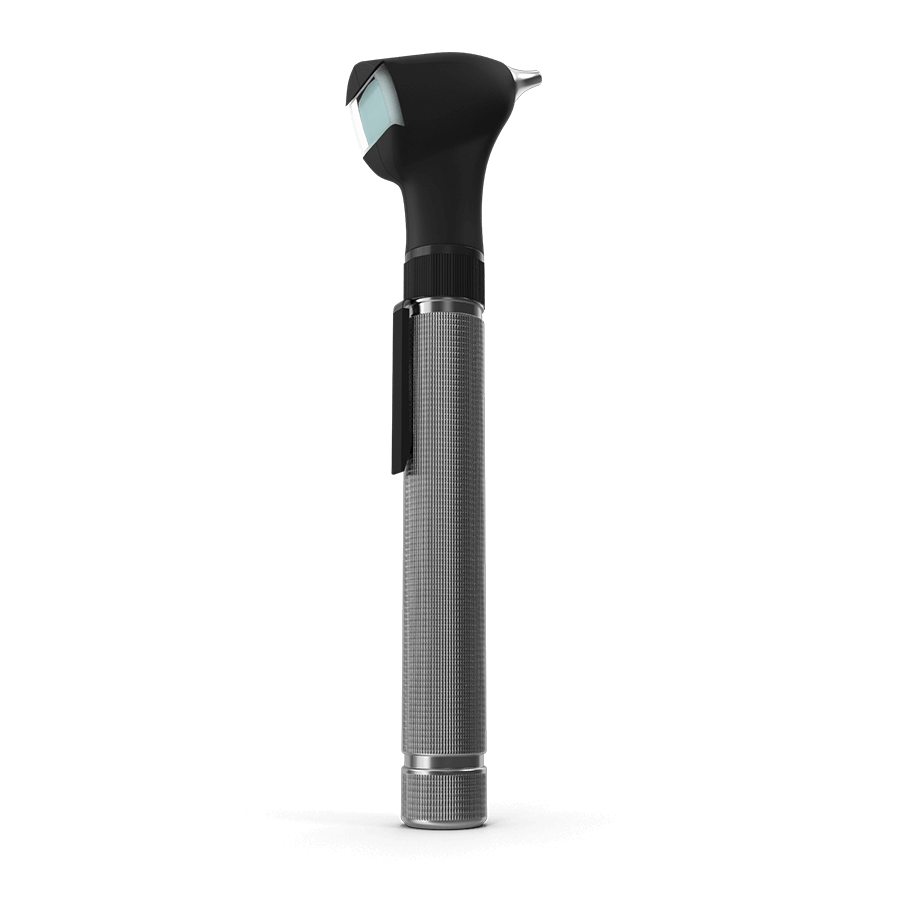
First, the clinician listens to your description of the change. Dullness, intermittency, whistling, distortion, or reduced battery life all point to different possibilities. Second, the ear is checked. Wax, irritation or canal issues can mimic device problems or worsen them.
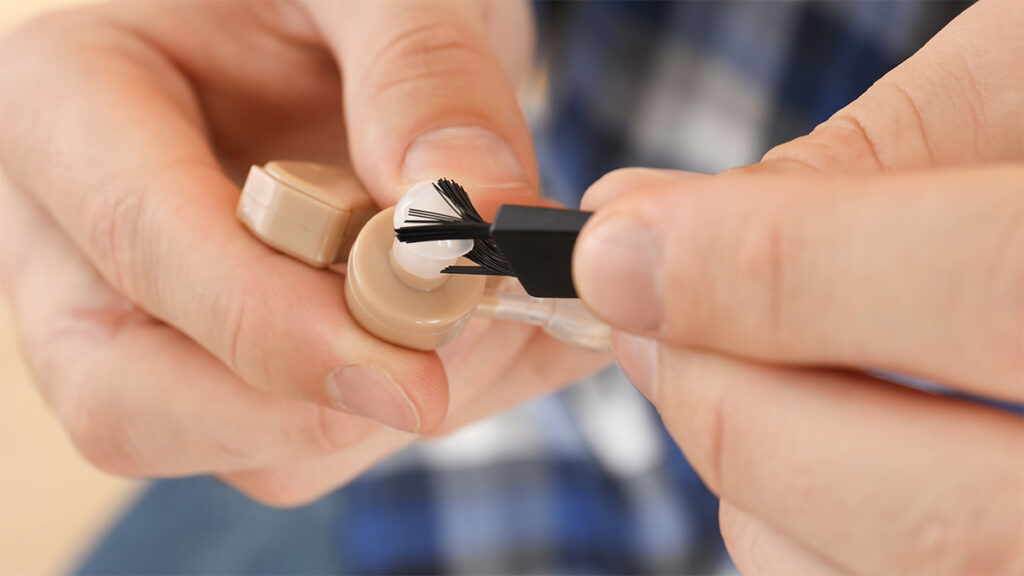
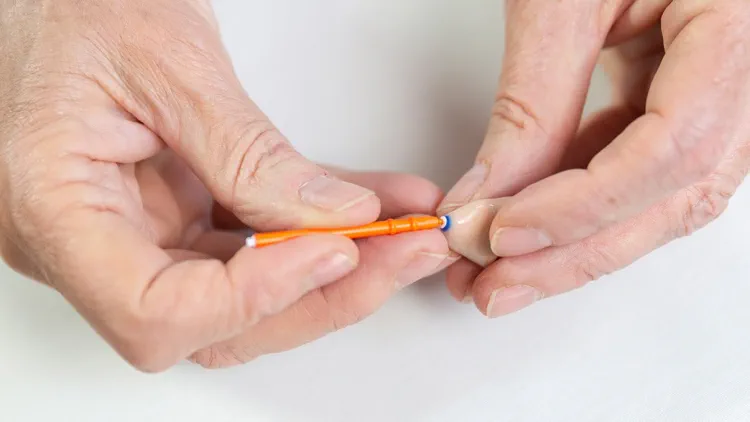
Third, the physical components are inspected and refreshed where needed: domes, wax guards, tubing, receiver coupling, microphone ports. Fourth, the device is function tested. Clinicians can run basic checks to confirm microphones and receivers are behaving as expected.
Fifth, fit and seal are reviewed. A small change in seal can reduce clarity and increase feedback. Adjusting coupling or dome size can make an immediate difference. Finally, settings can be reviewed. If your environments have changed, or if you are working harder to understand speech, small fine-tuning can often improve comfort and clarity.
Verification may also be used where relevant. Real-ear verification is especially useful when performance complaints persist despite clean hardware, because it confirms what sound is actually reaching the ear. Not every quick check requires this step, but it is a valuable tool when symptoms and settings do not match.
At Audiocare, hearing aid care is delivered in partnership with Signia. In practical terms that supports consistent optimisation, clear guidance on compatible accessories, and follow-up tuning that fits your routine rather than a generic default.
Simple habits that protect performance
The aim is not perfection. The aim is consistency. A few habits tend to do most of the work. Keep devices clean and dry. Replace wax guards when sound dulls. Keep spare domes or filters on hand if you use them. Avoid storing hearing aids in bathrooms or steamy places. If you exercise, wipe devices and allow proper drying. If you notice whistling, do not just reduce volume and accept it. Feedback often signals a seal, wax, or coupling issue that can be fixed.
Most importantly, do not wait too long when sound changes. A quick check is usually faster than weeks of compensating and becoming more fatigued. In many cases, the fix is simple and the relief is immediate.
When a quick check it’s important
If sound has become dull, if one side feels weaker, if whistling has started, if the device cuts in and out, or if battery performance has suddenly dropped, book a review. If you are not sure whether the issue is the hearing aid or your ear, book anyway. A calm check can separate the two quickly and avoid ineffective self-treatments.
If you have pain, discharge, sudden hearing loss, severe dizziness, or persistent one-sided symptoms, seek prompt assessment. Those are not the situations to troubleshoot at home.
For everything else, remember this: most hearing aid performance problems are not dramatic failures. They are small blockages, moisture effects, or fit changes. The reason a quick check helps is that it resets the basics and restores the clarity you were fitted for in the first place.