


Table of Contents
Many people live with hearing loss for longer than they realise. It often starts quietly, a little more “What did you say?” at the dinner table, turning the TV up slightly, avoiding restaurants because they feel exhausting, or hearing the sound but missing the meaning. If that sounds familiar, hearing aids can help far more than most expect, but not by simply making everything louder. Modern hearing aids are designed to improve access to speech, reduce listening effort, and make everyday situations feel more manageable. This article explains what benefits are realistic, why fitting and follow-up matter, and how to get the most out of hearing aids in real life.
First, what hearing aids actually do
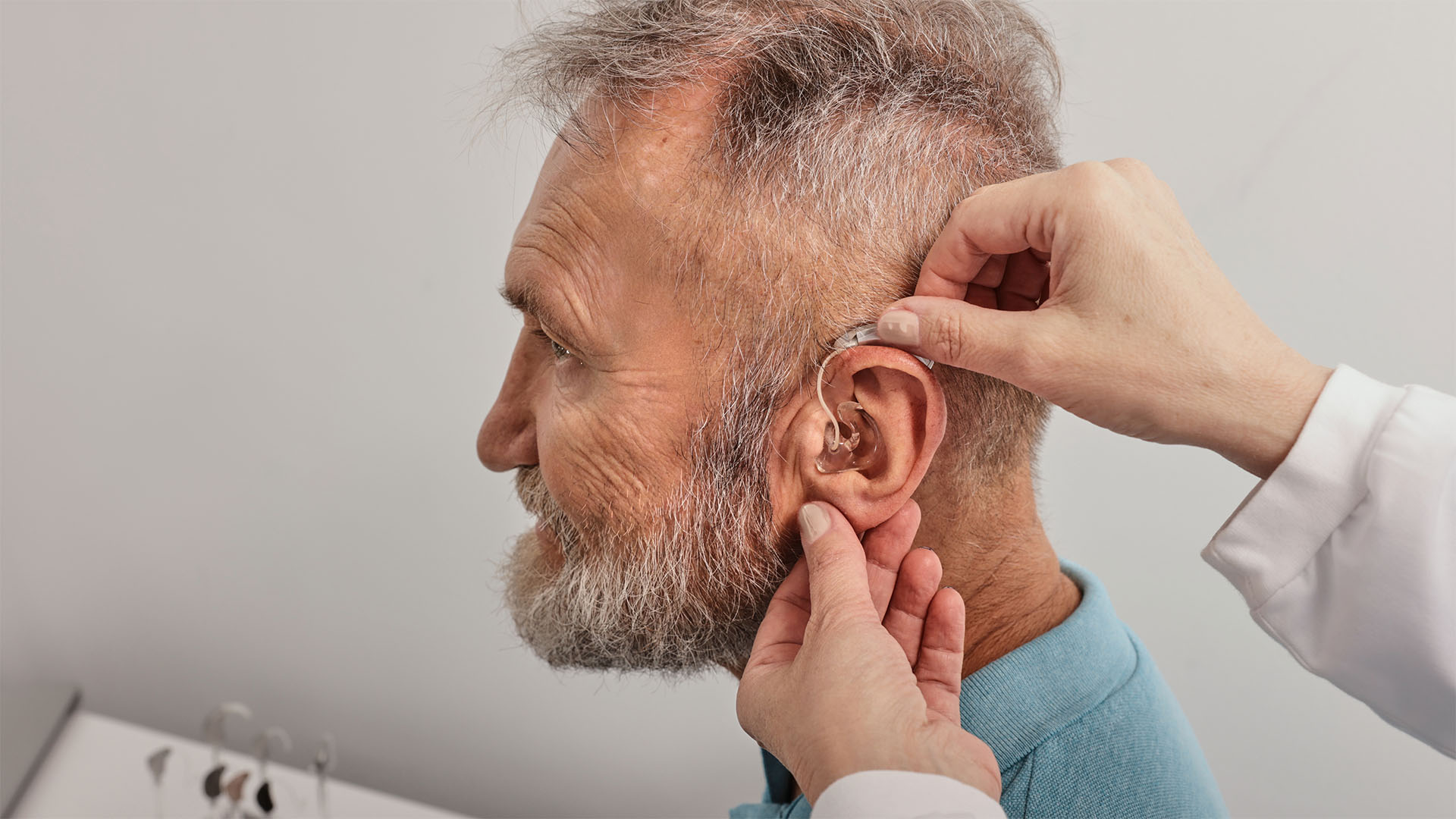
The job of a hearing aid is to deliver the right sound, at the right level, at the right moment. That means amplifying speech cues that have become too soft to hear clearly while keeping loud sounds comfortable and safe. Most adult hearing loss is sensorineural, linked to changes in the inner ear and the pathways that carry sound to the brain. In that type of loss, turning up volume alone rarely solves the problem because clarity is the issue. Consonants such as s, f, t and sh can fade first, and they carry much of the information that makes words distinct. A good hearing aid fitting aims to restore audibility of these cues without making everything harsh. Modern devices use small microphones to capture sound, a digital processor to shape it, and a receiver to deliver it to the ear. The processing can reduce the impact of steady background noise and emphasise speech patterns, but it cannot remove noise completely. The goal is a realistic one: better access to speech and a calmer listening experience, not perfect hearing in every environment.
Here are some benefits of using a hearing aid
Clearer speech, not just more sound
The most meaningful benefit most people notice is speech becoming easier to follow. At home, you may catch the ends of sentences again. In the car, you may no longer need the driver to repeat every phrase. On the phone, voices can feel less muffled. This happens because the fitting is guided by your hearing test and is tuned to restore audibility where your hearing has dropped. A well-fit device also avoids over-amplifying low frequencies that can make speech sound boomy and unclear. Realistic expectations matter. Busy places will still be busy, and competing conversations will still exist, but with hearing aids many people move from guessing to understanding. That shift changes how you participate. You speak less loudly without thinking about it, you interrupt less because you missed a word, and you feel less drained at the end of the day.
Less listening effort and less end-of-day fatigue
When hearing is reduced, the brain works harder to fill in gaps. You may not notice the effort in the moment, but you feel it later as tiredness, irritability, or the sense that social situations take more out of you than they used to. Hearing aids can reduce that load by giving the brain more reliable sound information. This does not mean you never get tired, but many people describe the day as feeling smoother. They can stay in a conversation longer, follow group chat with fewer dropouts, and feel more confident that they are responding appropriately. If you have been compensating by intense concentration, lip-reading, or avoiding certain environments, improved access to sound can feel like a weight off your shoulders.
Better awareness of your surroundings
Hearing is also about orientation and everyday safety. Awareness of doorbells, kitchen timers, approaching cyclists, or announcements in public spaces affects independence. Hearing aids can help you notice these cues earlier, especially when they are within the frequencies where your hearing has dipped. If you wear two hearing aids for a two-ear loss, you may also regain some directional awareness, making it easier to tell where a sound is coming from. This is not just a convenience. It reduces the sense of being startled, helps you move through busy environments with more confidence, and makes daily routines feel less uncertain. For many people, the most valuable benefit is not a single dramatic moment, but hundreds of small moments where life feels less vague.
Better communication at home and at work
Hearing loss affects relationships because it changes the rhythm of conversation. People repeat themselves, then they shorten what they say, then the person with hearing loss withdraws because it is easier than constantly repairing the conversation. Hearing aids can interrupt that pattern. When you hear more consistently, communication becomes less effortful for everyone. At work, the benefits can be very practical: following meetings, catching questions from across the room, understanding colleagues with different accents, and feeling less anxious about missing key information. Hearing aids can also support phone calls and online meetings through direct streaming, improving clarity without forcing you to crank up speaker volume. If you regularly work in noise, accessories such as remote microphones can be particularly useful, bringing a speaker’s voice closer to your ears even when the room is busy. The right solution depends on your routine, which is why a fitting should always be guided by real-life needs rather than a generic setting.
A solution that is tailored, not generic
Hearing aids are not one-size-fits-all. Two people with the same hearing test can report different challenges because their environments and listening demands differ. A strong clinical process starts with a careful assessment and a clear explanation of your results. The fitting should be programmed to your audiogram, verified, and then adjusted based on how you listen in daily life. Verification is important because what is programmed on a screen is not always what arrives at the ear. Follow-up matters just as much. In the first weeks, your brain is re-learning sound. Your own voice may seem different at first. Everyday noises such as cutlery, footsteps, or the kettle can feel sharper. This is normal adaptation, not a sign that something has gone wrong. The best outcomes usually come from steady wear, honest feedback, and fine-tuning. At Audiocare, hearing aid care is delivered in partnership with Signia, which supports consistent device optimisation and practical aftercare for long-term comfort and clarity.
What hearing aids cannot do, and why that is good to know
There is no benefit in pretending hearing aids turn life into a silent cinema with perfect subtitles. They cannot restore natural hearing exactly, and they cannot erase background noise in every situation. In a crowded restaurant, everyone’s voice competes. A good device can improve access to the person in front of you and reduce the impact of steady noise, but it cannot make a chaotic room sound like a quiet living room. Knowing this helps you choose realistic strategies. Face the person speaking, pick a table away from speakers, choose better lighting so you can use lip cues, and consider a remote microphone for the hardest environments. When expectations are realistic, satisfaction rises because you can measure improvement properly. The aim is not perfection, it is better function and more ease.

Getting the most from your first weeks
If you are new to hearing aids, start with a simple plan. Wear them daily, beginning in quieter settings and building into more complex environments. Keep notes about what feels too sharp, too dull, or too noisy. Identify one or two situations that matter most to you, perhaps family dinners, TV, or a weekly social group, and use those as your test cases. If you wear aids in both ears, commit to both. The brain benefits from balanced input, and one-sided wear in a two-ear loss can reduce clarity and localisation. Device care also matters early. Keep microphones clear, dry the devices overnight, and replace wax guards or domes when sound becomes dull. If you notice persistent imbalance between ears, feedback whistling, or rapid battery drop, book a quick check. Small issues are usually easy to solve, and leaving them can quietly reduce benefit.
Choosing the right time to take action
Some people wait years because hearing loss feels gradual, and because it can be easier to adapt your behaviour than to book an appointment. But there is a tipping point where adaptation starts costing you. If you often miss speech in background noise, rely heavily on subtitles, avoid group situations, or feel that listening is exhausting, it is worth getting assessed. A hearing check is calm and practical. It gives you a baseline, clarifies the type and degree of hearing loss, and helps you decide what to do next. If hearing aids are recommended, a structured fitting and follow-up plan usually makes the difference between owning a device and actually benefiting from it.
What changes first when hearing aids are well matched
The earliest changes are often subtle but meaningful. You stop guessing quite so much. You catch the last word of a sentence more often. You feel less on edge in noisy places because you are not constantly bracing for misunderstanding. Family members notice you respond more naturally and ask “What?” less often. Many people also report that they feel more confident making phone calls again. Over time, the bigger win is consistency. When you can rely on your hearing more, you participate more. That is the point of hearing aid benefits: a clearer, easier daily life, shaped to your reality.