


Table of Contents
If you end most days feeling unusually drained after conversations, meetings or phone calls, you are not alone. Many people with untreated hearing loss describe a specific tiredness that follows long periods of listening. The ears still pick up sound, yet the meaning of words feels blurred, especially in busy places or on video calls. That gap between sound and understanding pushes the brain to work harder to fill in what is missing. The extra work shows up as effort, strain and, over time, fatigue. The good news is that this experience is understandable, measurable, and in many cases very manageable with the right support.
How listening turns into effort
Speech carries much of its meaning in small details, particularly high-frequency consonants. Common patterns such as age-related change, long-term noise exposure or a simple ear-canal blockage from wax can reduce access to those details. In a quiet one-to-one conversation you may cope well, but in restaurants, tiled cafés, open-plan offices or echoey rooms the background sound competes for the same auditory space. You still hear a voice, but the crisp edges of words are less available. Your brain tries to compensate using context, memory and visual cues. That compensation is helpful and often successful, yet it consumes mental energy. Researchers capture this with tasks that track how hard someone is working to understand speech and with physiological signals, such as small increases in pupil size that rise when listening becomes more demanding. Across many studies, people with hearing loss tend to show higher listening effort than people with typical hearing, even when accuracy looks similar. The point is simple. If the incoming signal is degraded, the system that makes sense of it needs to push harder, and the effort is the cost of keeping up.
Why fatigue builds across the day
Fatigue builds when a small strain is repeated many times. If every interaction needs extra concentration, the reserves you normally use for planning, remembering or enjoying a conversation are diverted into decoding speech. You may do well in the morning and flag by mid-afternoon. Group settings can feel far more draining than a chat with one friend because the brain has to separate overlapping talkers and piece together rapid exchanges. This does not reflect a lack of attention or motivation. It is the predictable result of increased processing demand. It also explains why some people report that their hearing seems fine for short periods and then feels effortful by the end of a social event. The system can keep up for a while, but the energy cost accumulates.
Everyday factors that quietly raise effort
Seemingly minor factors add friction. A build-up of earwax narrows the canal and dulls the sound that reaches the eardrum. Winter colds and dry indoor air can change how the middle ear equalises pressure for a few days, so sounds feel intermittently stuffy. Tiredness, stress and poor lighting reduce your ability to use lip movements and facial expression as natural cues. Rooms with hard surfaces bounce sound around, blurring consonants further. Even the layout of a table matters. Sitting with your back to a coffee machine or speaker increases the amount of noise your brain must suppress. None of these causes the whole story, yet each of them raises the listening load. Addressing them does not cure hearing loss, but it can lower effort enough to make conversations feel more comfortable.
How hearing support changes the workload
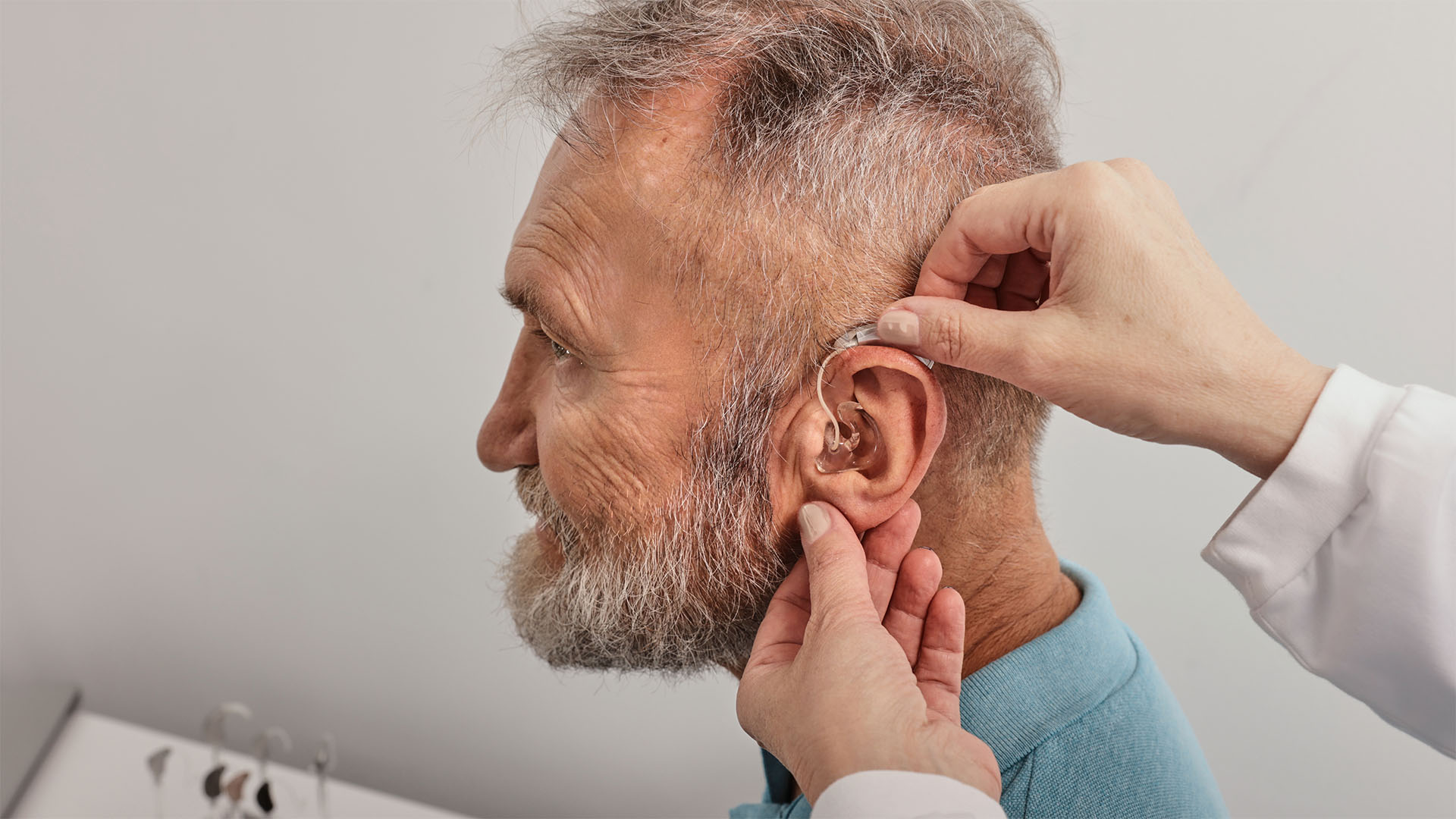
When the speech signal is clearer, the brain does not have to spend as much energy repairing it. That is why well-fitted amplification and good signal processing can make listening feel easier as well as sound better. Modern studies show that improving the signal to noise ratio can reduce listening effort, not just improve test scores. In hearing aids this can happen through several features that aim to lift speech relative to background sound. Real-world results vary because rooms, voices and noise differ from day to day, so the message is not that technology removes effort in every situation. The practical point is that a proper assessment and careful fine-tuning can shift many people from constant strain to a more sustainable baseline, especially in the places that matter most, like home, work and favourite cafés. If you already wear hearing aids and still feel fatigued, it is worth checking for wax, inspecting domes or tubing and revisiting settings. Small adjustments often translate into a noticeable drop in effort.
Practical steps that help in daily life
Start with a calm hearing assessment. This maps thresholds across frequencies, checks the health of the ear canal and eardrum, and explores how you manage speech in background noise. If wax is present, safe removal can restore access to sound detail very quickly. If hearing loss is confirmed, appropriate options are discussed. For many adults, well-fitted digital hearing aids provide the biggest change in day-to-day ease. The benefits are rarely just about loudness. The aim is a cleaner signal that allows your brain to step back from constant repair mode. Good habits support that change. Face the person speaking and choose even, front-facing light so lip cues are easy to see. Position yourself away from coffee machines, speakers or clattering dishes. At long events, take short quiet breaks so your system can reset. At home, soft furnishings reduce harsh echoes, and TV settings that prioritise dialogue clarity help more than simply turning everything up. None of this replaces individual care, yet each step nudges the workload in the right direction.

When to seek assessment
Book a review if conversations feel like hard work most days, if you need frequent repeats, if the TV keeps creeping up or if one ear seems noticeably worse than the other. Seek prompt care if there is a sudden hearing drop, persistent ear pain, discharge or spinning dizziness. If listening effort leaves you regularly exhausted, an appointment can confirm what is happening and offer an approach that fits your routine. Many people are surprised at how much smoother listening becomes after small, targeted changes.
Conclusion
Listening-related fatigue is a common, understandable consequence of untreated hearing loss. It reflects the extra work your brain is doing to keep up when speech lacks detail, especially in noisy spaces. The solution is not to push through. The solution is to improve the signal where you can and to align support with daily life. With a proper assessment, well-fitted technology and a few practical adjustments to your sound environment, most people find that the gap between hearing and understanding narrows and the end-of-day tiredness fades to something manageable.
Scientific References
- https://nottingham-repository.worktribe.com/output/976208/hearing-impairment-and-cognitive-energy-the-framework-for-understanding-effortful-listening-fuel
- https://pubmed.ncbi.nlm.nih.gov/27541332/
- https://pubmed.ncbi.nlm.nih.gov/28622894/
- https://pubmed.ncbi.nlm.nih.gov/28640038/
- https://backend.orbit.dtu.dk/ws/files/277301942/FULLTEXT01.pdf
- https://www.nhs.uk/conditions/hearing-loss/
- https://pmc.ncbi.nlm.nih.gov/articles/PMC8315207/