


Table of Contents
Safety is not only about big emergencies. It is the small, repeatable moments that keep daily life smooth: hearing a timer before something burns, noticing a bicycle behind you, catching a train announcement, understanding a quick instruction at work, or realising someone has called your name in a busy place. When hearing starts to slip, many people adapt without noticing the cost. They rely more on vision, guess more from context, and avoid environments that feel chaotic. Over time, that can narrow routines and raise stress. Hearing aids do not make life risk-free, and they do not turn noisy places into quiet ones. What they can do is restore access to sound cues that support awareness, direction and communication. That is where safety improves in a very practical way.
Hearing and safety: what changes first
Most adults notice hearing loss as a speech problem, not a volume problem. You can hear a voice but miss the words, especially when there is background noise. Consonants carry much of the detail that makes speech distinct, and they are often the first to blur with common sensorineural loss. When speech is unclear, the brain works harder to fill the gaps. That extra effort can reduce your spare attention for what is happening around you. In real life, safety often depends on spare attention: noticing something earlier, processing it quickly, and responding calmly. If listening already uses a large share of your attention, there is less left for traffic, tools, alarms, or navigating unfamiliar places. Hearing aids help by improving access to speech cues and balancing sound at comfortable levels, which reduces the amount of guessing and effort required. One of the most underappreciated safety benefits of better hearing is improved orientation. Two ears give the brain tiny timing and loudness differences that help locate sounds. This is how you know whether a voice is behind you, whether a car is approaching from the left, or whether an alarm is coming from the kitchen or the hallway. When one ear is weaker, or when a person wears only one hearing aid despite a two-ear loss, those directional cues can become less reliable. A well-matched pair of hearing aids can restore more balanced input, so the brain can use two-ear cues more effectively. Research on sound localisation shows that amplification can improve localisation for some people, particularly when hearing is more balanced across ears, although performance varies by environment and hearing profile. The important message for everyday life is not perfection, it is earlier awareness and more reliable direction in the situations that matter.
Home safety: fewer missed cues, less stress
At home, hearing loss often shows up as missed high-pitched cues and “quiet warnings”. A microwave beep, a timer, a kettle click, an appliance alert, or a doorbell can be easy to miss, especially if you are in another room. Many people compensate by turning volumes up or by checking repeatedly, which adds friction and anxiety. Hearing aids can bring these cues back into a comfortable audible range. For people who also use assistive alerts, such as vibrating alarms or flashing doorbell systems, hearing aids still help because they add context. A flashing alert tells you something happened, but hearing helps you understand what it was and where it came from. That combination reduces false alarms and reduces the need to constantly monitor the environment.
Hearing aids also support safer communication at home. If you misunderstand a quick instruction, medication guidance, or a warning from a family member, small mistakes can compound. Clearer speech reduces the number of “near misses” that happen simply because a sentence was not fully understood.
Outdoors and travel: awareness in busy environments
Urban and holiday environments are acoustically messy. There are multiple competing sound sources, reflective surfaces, and sudden events. If you spend a lot of time in cafés, markets, airports or town centres, the challenge is not only hearing sound, it is separating the relevant sound from the rest. Hearing aids can improve speech access and help with situational awareness by enhancing audibility in the frequencies where your hearing is reduced. They cannot guarantee that you will hear every approaching vehicle, and safe road behaviour always relies on looking and judgement, not hearing alone. But better hearing reduces uncertainty. People often report feeling less startled and more confident when moving through crowded spaces once they are hearing more consistently. Travel is also full of spoken information. Gate changes, platform numbers, delayed boarding calls and safety announcements are typically brief and easy to miss. Clearer access to speech reduces the chance of missing something important and reduces the stress of constantly scanning screens. For many people, safety and confidence are closely linked. When you feel more confident, you move more calmly and make better decisions.
Workplace safety: hearing as a professional tool
Work is one of the clearest places where hearing loss can become a safety issue, particularly in roles that rely on spoken instruction, shared attention, or audible warnings. In some environments, alarms and signals are regulated, and visual cues exist alongside sound. In many other workplaces, safety relies on quick, informal communication: “Behind you”, “Stop”, “Watch your hand”, “That’s hot”, “Switch that off”. When these cues are missed, risk rises. Hearing aids can improve safety by reducing miscommunication and by supporting clearer understanding in meetings, workshops, and customer-facing roles. Streaming for calls and online meetings can also reduce misunderstandings, which matters for roles where accuracy is critical. The practical point is that hearing support is not only about comfort. It is about performance and reliability in communication.
Why fitting and follow-up matter for safety benefits
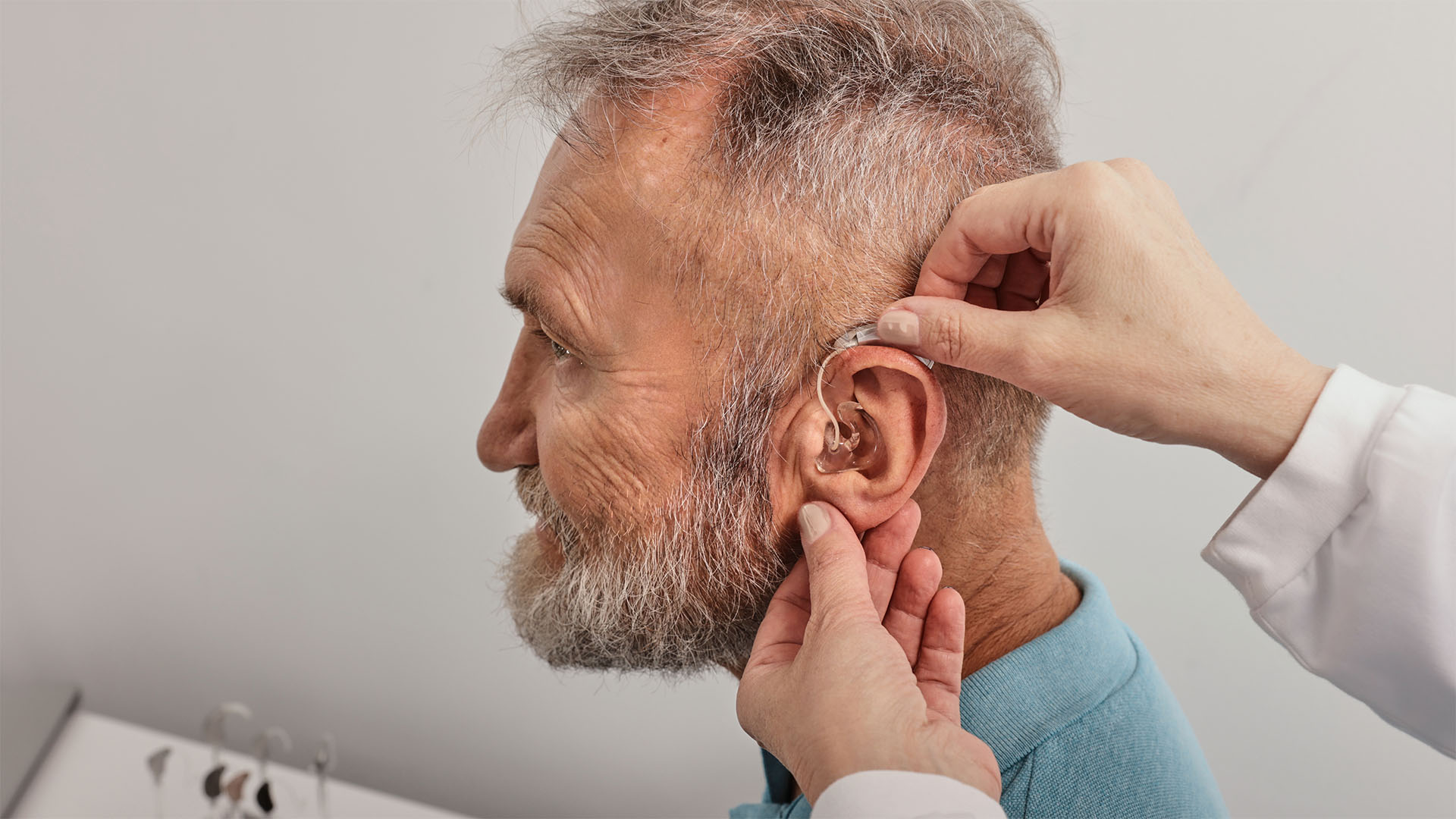
Safety benefits depend on clarity and balance, not simply amplification. A hearing aid that is too soft in the high frequencies can leave consonants blurred. A hearing aid that over-amplifies low frequencies can make speech sound loud but muddy. If one device is slightly dulled by wax guards, moisture or microphone debris, the brain tends to lean on the other ear, and directional hearing becomes less reliable. This is one reason follow-up and basic maintenance matter more than people expect. A good fitting starts with a calm hearing assessment and a plan that fits your daily environments. Verification and fine-tuning help ensure that the device is delivering the intended sound where it matters most: speech clarity at comfortable levels. If you wear hearing aids through Audiocare, the partnership with Signia supports consistent optimisation and practical aftercare. The best outcomes usually come from a simple loop: assess, fit, verify, wear consistently, report real-life challenges, and fine-tune. That loop is not about chasing perfection. It is about making daily listening reliable enough that safety cues are less likely to be missed.
When to book a check sooner
A safety-focused hearing plan also means knowing when to seek timely care. Sudden hearing changes, one-sided symptoms, persistent pain, discharge, or severe dizziness should be assessed promptly. If you already wear hearing aids and notice new imbalance between ears, frequent whistling, or a rapid drop in battery life, a quick review can often solve the issue before it becomes a daily frustration. And if your hearing loss is affecting your confidence outdoors, your comfort at work, or your willingness to socialise, that is a valid reason to book an assessment. Safety is not only about accidents. It is also about how securely you move through your own life.
Safer, steadier days with clearer hearing
Hearing aids improve everyday safety by restoring access to sound cues that support awareness, direction, and clearer communication. The biggest changes are often subtle: fewer missed alerts, less guessing, smoother conversations, and more confidence in busy places. Add a well-fitted, well-maintained device and regular reviews, and those small gains become consistent. If you suspect hearing loss or feel that listening has become hard work, a calm assessment is the best starting point. It gives you a baseline, a clear explanation of your options, and a practical plan for safer, steadier daily life.

References
- https://www.nice.org.uk/guidance/ng98
- https://www.nice.org.uk/guidance/ng98/resources/hearing-loss-in-adults-assessment-and-management-pdf-1837761878725
- https://www.nidcd.nih.gov/health/hearing-aids
- https://www.who.int/publications/i/item/9789240020481
- https://www.who.int/news-room/fact-sheets/detail/deafness-and-hearing-loss
- https://pmc.ncbi.nlm.nih.gov/articles/PMC4172152/
- https://pmc.ncbi.nlm.nih.gov/articles/PMC8642081/