
Table of Contents
That “underwater” feeling in one or both ears is one of the most common reasons people book an appointment. Sometimes it comes with muffled hearing, pressure, popping, a sense of fullness, ringing, or the odd moment where your own voice sounds louder than it should. The frustrating part is that the sensation can come from very different causes, and many of the obvious home remedies only help in one of those scenarios. If the problem is wax, the right next step is very different from what you would do for middle-ear pressure or an infection. This is why two simple checks are so useful: video otoscopy and tympanometry. Together they quickly clarify what is actually going on, so you can stop guessing and start treating the right thing.
Why “blocked” is not a diagnosis
A blocked ear is a symptom, not an explanation. The sensation can be created by issues in the ear canal, at the eardrum, or in the middle ear space behind it. It can also be influenced by what is happening in the nose and throat, because the Eustachian tube links the middle ear to the back of the nose and helps equalise pressure. When the Eustachian tube does not open properly, people often describe ears that feel full, dull, or like cotton wool, with popping or crackling. On the other hand, wax build-up can create the same muffled sensation, sometimes with tinnitus or dizziness. Ear infections can also include fullness and temporary hearing change, often with pain or fever. The point is not to memorise every cause. The point is to measure what is happening in the ear and middle ear so the next step becomes obvious.
Test 1: Video otoscopy, a clear look inside the ear
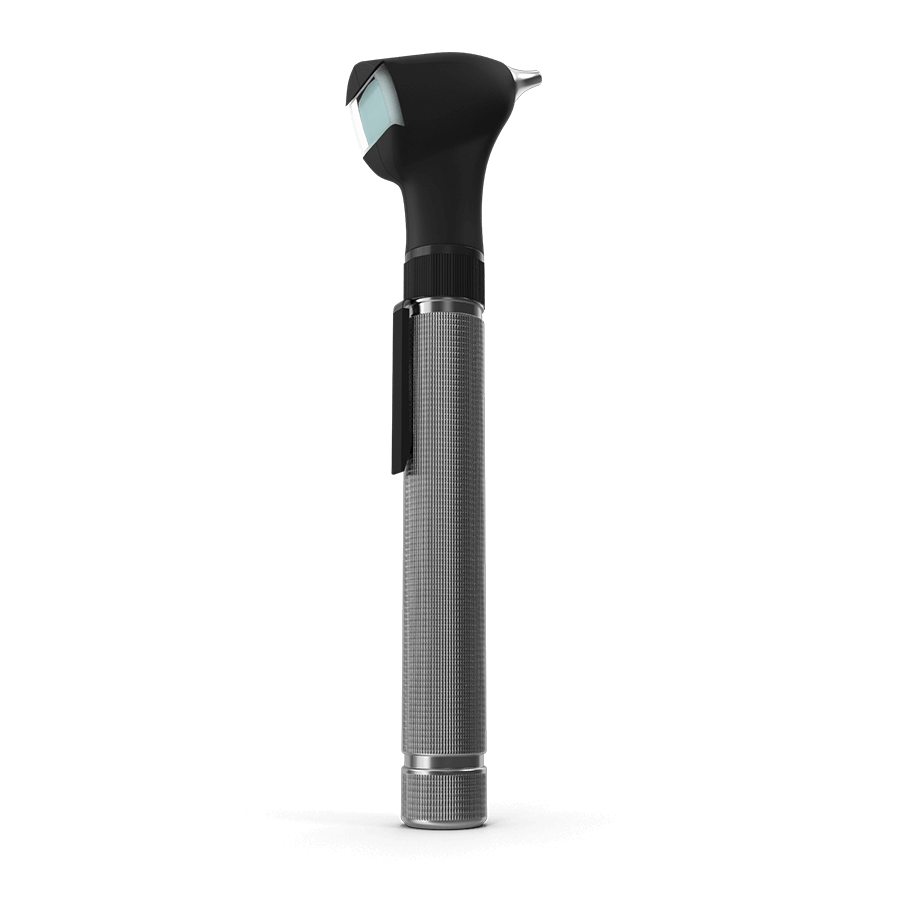
Otoscopy is the standard way clinicians inspect the ear canal and eardrum. Video otoscopy does the same job, but with a camera and screen that allows a clearer, magnified view and makes it easier to explain what we see. It is quick and typically comfortable. It helps answer the first crucial questions. Is the ear canal clear or blocked by wax? Is the canal skin inflamed, dry, or irritated? Is there debris, discharge, or signs of infection? Does the eardrum look healthy, retracted, bulging, perforated, or blocked from view?
This matters because many “blocked ear” complaints are not middle-ear problems at all. Wax build-up is common and can cause hearing loss, a blocked sensation, tinnitus, earache, or dizziness. If the canal is blocked with wax, pressure-equalising tricks and decongestants do not solve the problem, because the sound is being reduced before it even reaches the eardrum. Video otoscopy can also show if the ear canal is sore or inflamed, which changes what is safe to do next. If the eardrum cannot be seen, that is also a finding in itself because it means we should not assume what is happening behind it.
A good video otoscopy also provides reassurance when everything looks healthy. If the canal is clear, the eardrum looks normal, and there is no sign of infection, we can move on confidently to the next layer of the system.
Test 2: Tympanometry, a quick check of middle-ear pressure and movement
If video otoscopy tells us what the ear canal and eardrum look like, tympanometry tells us how the middle ear system is behaving. Tympanometry is a test that measures how the eardrum moves in response to gentle changes in air pressure and a tone. It helps assess middle ear function, including whether there may be fluid behind the eardrum or pressure imbalance consistent with Eustachian tube dysfunction.
The experience is simple. A soft probe tip seals the ear canal briefly, you feel a mild pressure change, and you hear a tone. The test takes seconds. The result is a tympanogram, a curve that reflects the mobility of the eardrum and middle-ear system and can provide quantitative information about middle-ear fluid, mobility, and ear canal volume. Clinicians interpret it alongside symptoms and the otoscopy view, because a test result is most useful when it matches the story and the physical findings.
In practical terms, tympanometry is one of the fastest ways to distinguish between a problem in the ear canal and a pressure or fluid issue behind the eardrum. If your ear feels blocked but the canal is clear on otoscopy, tympanometry often explains why the sensation is still there.
Putting the two tests together: the most common patterns
Video otoscopy and tympanometry work best as a pair. Here is how they often clarify the cause, without turning the appointment into a complicated medical lecture.
If the canal is blocked with wax, video otoscopy shows it directly. Tympanometry may be difficult to interpret if the probe cannot seal properly or if the canal is obstructed. In that case, wax management is the priority. Once the canal is clear, symptoms often resolve quickly, and hearing can be reassessed if needed.
If the canal is clear but the eardrum looks retracted or pulled inward, and tympanometry shows negative middle-ear pressure, Eustachian tube dysfunction becomes more likely. Many people describe this as “ears that won’t pop”, pressure changes on flights, crackling, dull hearing, or a cotton wool feeling. This pattern is common after colds and with nasal inflammation. It can also appear with allergy, sinus problems, reflux, and in smokers. Management usually focuses on the nose and Eustachian tube rather than the ear canal itself.
If the canal is clear but the eardrum looks dull or less mobile, and tympanometry suggests fluid behind the eardrum, middle-ear effusion is likely. In adults this can occur after infections or with prolonged Eustachian tube dysfunction. It tends to cause muffled hearing and fullness. The next step depends on the context, duration, and whether symptoms are one-sided or accompanied by pain, fever, or significant discomfort.
If the eardrum looks inflamed or bulging and the clinical picture fits infection, the plan changes again. Ear infections can include earache, fever, discharge, reduced hearing, and a feeling of pressure or fullness. In those situations, management is not about “unblocking” the ear mechanically. It is about treating inflammation and infection appropriately, while monitoring for red flags.
What not to do when your ear feels blocked
A blocked sensation makes people want to fix it immediately, which is understandable, but a few common moves can backfire.
Avoid putting objects in the ear canal. Even cotton buds can push wax deeper and irritate the canal skin. Avoid repeated use of decongestant nasal sprays as a general solution for blocked ears. They can help short-term nasal congestion, but they do not remove wax and they are not a long-term strategy for pressure issues. Avoid random ear drops if you do not know what is happening in the canal and at the eardrum. Some drops are not appropriate if the canal skin is inflamed or if the eardrum is perforated. The safest path is simple: see what is there, measure what is happening behind it, then choose the next step.
When to book, and when to seek prompt care
Book an assessment if the blocked-ear feeling lasts more than a few days, keeps returning, or comes with persistent muffled hearing. It is also worth booking if one ear consistently feels different from the other, because one-sided symptoms deserve a clear look.
Seek prompt medical care if you have severe ear pain, high fever, discharge from the ear, sudden hearing loss, significant dizziness or spinning vertigo, or swelling around the ear. These are not the situations to manage alone.
If your symptoms follow a cold and feel like pressure and popping, an assessment still helps because it confirms whether the middle ear is under pressure, whether fluid is present, and whether the ear canal and eardrum look healthy. That clarity keeps your plan sensible and avoids weeks of trial-and-error.
A blocked ear can feel like a small problem until it starts affecting sleep, work, travel and social life. The good news is that the cause is often straightforward once you stop guessing. Video otoscopy shows what is happening in the ear canal and at the eardrum. Tympanometry checks pressure and movement behind it. Together they usually pinpoint whether the next step is wax care, middle-ear pressure management, infection treatment, or referral for further assessment. If your ear feels underwater, a calm check with these two tests can turn a vague symptom into a clear plan.

References
- https://www.nhs.uk/conditions/earwax-build-up/
- https://www.nhs.uk/conditions/ear-infections/
- https://myhealth-devon.nhs.uk/my-condition/condition/eustachian-tube-dysfunction-blocked-ears/
- https://www.chelwest.nhs.uk/your-visit/patient-leaflets/ent-audiology/eustachian-tube-dysfunction
- https://my.clevelandclinic.org/health/diagnostics/24222-tympanometry
- https://www.aafp.org/pubs/afp/issues/2004/1101/p1713.html
- https://www.ncbi.nlm.nih.gov/books/NBK556090/