


Table of Contents
Two ears do more than double the sound. They give the brain the timing and loudness differences it needs to sort voices from background noise, work out where a sound is coming from and keep listening effort manageable in daily life. When hearing in one ear is weaker, or when only one hearing aid is worn in a two-ear loss, these natural advantages shrink. This plain-English guide explains why the two-ear system matters, what changes in common hearing losses, how modern hearing care supports binaural listening and when a review helps.
Why two ears matter in the real world
Binaural hearing is built on a small set of powerful cues. First is the head-shadow effect: the head blocks some sound, so the ear nearer the talker gets a cleaner signal in noise. Second are tiny timing and level differences between ears that the brain uses for localisation and for separating competing sounds. Third is summation and “squelch”: having two similar signals lets the brain combine information and suppress part of the background. In practice this means speech starts to sound clearer without having to push volume. It also means you can tell if a call came from the kitchen or the hallway, you can judge whether a car is approaching from the left and you can follow a friend’s voice at a busy café with less strain. None of this turns noise into quiet, but it increases the odds that words pop out of the mix.
What changes when hearing is reduced
In sensorineural hearing loss, the inner ear’s tiny outer hair cells and nerve connections are less efficient, especially for soft, high-frequency consonants. Speech is “audible” yet less distinct, and background noise masks key details. If both ears are affected, the brain receives two degraded signals and has less to compare, which weakens localisation and the natural squelch benefit. In conductive problems, sound is reduced before it reaches the inner ear, so everything is softer and muffled; once the conductive issue is treated, binaural performance often improves. In mixed loss the picture combines both. The net effect in daily life is predictable: busy rooms are harder, switching attention between voices is slower and judging direction is less certain. People rightly report that raising volume helps less than improving clarity.
Binaural hearing with modern hearing care
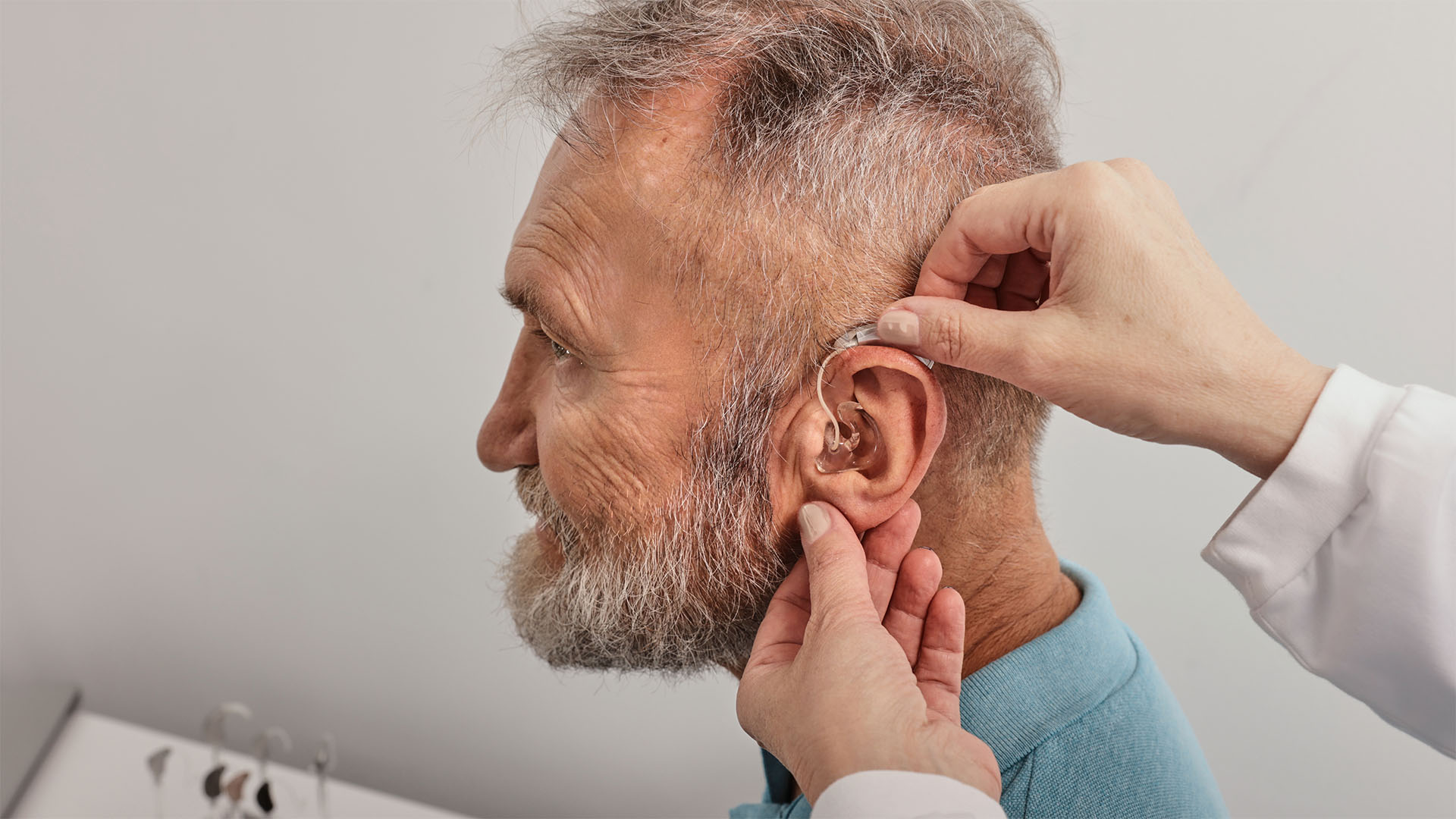
When hearing loss is present in both ears, wearing two well-matched hearing aids usually restores more of the brain’s two-ear advantages than wearing one. Amplification brings speech cues back into an audible range while keeping sounds within comfortable limits. Crucially, a coordinated pair lets microphones and processing share information, so sudden noises can be handled consistently across ears and directional features can focus on the talker in front without creating an odd left–right mismatch. The result is not just “louder” but more stable and believable soundscapes. Many people also benefit from accessories that respect binaural hearing. A small remote microphone placed near a speaker can lift their voice over background in meetings or restaurants. TV streamers send a clear stereo signal to both ears so clarity rises without turning the room volume up. None of these tools remove every challenge, but they can reduce effort and make conversation feel more natural across the day.
Who is likely to benefit from two aids
Bilateral fitting is commonly recommended when both ears have a permanent hearing loss of a degree that affects understanding. The main gains are better speech-in-noise performance, improved localisation and a more comfortable listening experience over time. When loss is very asymmetric, or one ear has little useful hearing, alternatives are considered. A CROS solution sends sound from the poorer side to the better ear to restore awareness of sounds on that side, which helps everyday safety and social comfort even though true two-ear processing is not possible. Medical conditions that cause temporary conductive loss, such as wax impaction or middle-ear fluid, are addressed first so that any later fitting can start from a healthier baseline. The shared goal is simple: give the brain as much balanced, usable information from both sides as the ears can provide.
Realistic expectations and the first weeks
Two aids do not shortcut the natural learning period. Early on you may notice your own voice sounds fuller and everyday sounds feel more present. This is expected: the brain is receiving more high-frequency detail again and is recalibrating. Short, regular wear in quiet settings helps at the start, then build towards real-world listening in cafés, family rooms and shops. Face the person speaking and use front-facing light so lip cues are available. Keep notes about the places or situations that remain tricky. Fine-tuning is normal in the first review or two, and small adjustments to high-frequency gain, noise management or directional settings often pay off quickly. Many people also learn one or two simple programme changes for restaurants or meetings. The aim is clarity with comfort, not constant switching.
Keeping the binaural advantage stable
Consistency across ears matters. If one device is even slightly duller, the brain will lean on the other and the two-ear benefit shrinks. Simple routines protect that balance. Keep microphones clear of debris, dry devices overnight and replace wax guards and domes on schedule. For zinc-air batteries, allow a minute of “air-up” after removing the tab before inserting; for rechargeables, start the day with a full charge and keep the charger dry and at room temperature. Book a check if sound is persistently uneven between ears, if whistling appears, if battery life drops suddenly, or if one device needs frequent filter changes compared with the other. In the clinic, a quick listen, a microphone check and fresh calibration can restore symmetry and with it the everyday ease that two-ear listening provides.

When an ENT or audiology review helps
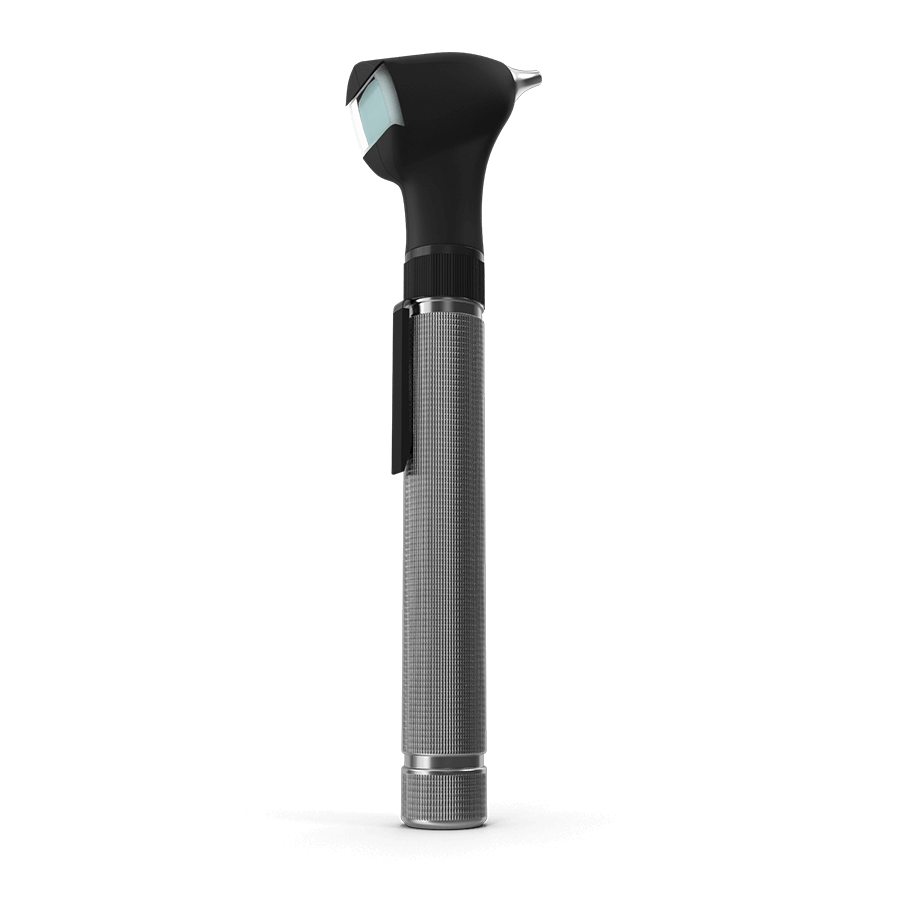
A calm review is worthwhile if speech feels unclear in noise despite two well-fitted aids, if localisation remains unreliable, or if you notice frequent ear infections, pain, discharge, sudden changes in hearing or long-standing one-sided symptoms. The clinician will take a focused history, examine the ears and measure hearing in each ear across frequencies. They may check how you hear speech in quiet and in background noise and will verify that both devices are delivering the intended sound at the ear. The outcome might be fine-tuning, replacement of a worn dome or tubing, updated ear-moulds for a better acoustic seal, targeted communication strategies, or medical treatment where a middle-ear factor is present. The goal is a practical plan that maintains the two-ear advantage through the year.
Clearer days with both ears working together
Binaural hearing is not a luxury. It is how the auditory system is designed to make sense of busy spaces, judge direction and keep effort reasonable. For two-ear losses, a well-balanced pair of hearing aids, supported by simple habits and timely reviews, restores much of that design. The pay-off is everyday: steadier conversations, safer movement and more moments that sound like themselves.